

Physician-Supervised Peptide Injections for Safe Weight Loss
Injectable weight‑loss therapy uses prescription peptide medications, administered under physician supervision, to reduce appetite, slow stomach emptying, and improve metabolic control. When combined with lifestyle support, these effects can produce meaningful reductions in body weight and visceral fat. This guide explains how peptide classes such as GLP‑1 and GIP agonists work at the receptor and systemic levels, compares common injectables like semaglutide and tirzepatide, and outlines who may be a suitable candidate. You’ll also find practical safety checks, how clinicians tailor dosing to preserve lean mass, which adjunct therapies may help with cravings or visceral fat, transparent pricing, side‑effect management tips, and diet and exercise strategies to maximize and maintain results. We summarize recent trial findings and current trends so you can make an informed choice about peptide injections for medical weight loss.
What Are Medical Weight Loss Injections and How Do They Work?
Medical weight‑loss injections are clinician‑prescribed peptides or pharmacologic agents given subcutaneously to change appetite signaling, gastric motility, and energy balance. These medications act on endocrine receptors—primarily GLP‑1 and GIP in the gut–brain axis—to reduce hunger, slow gastric emptying, and improve blood‑sugar regulation. Together, these effects lower calorie intake and improve metabolic markers. The benefit goes beyond short‑term appetite suppression: when paired with targeted lifestyle changes, injections can produce measurable percent body‑weight loss and reduce visceral fat and cardiometabolic risk. Because dosing, titration, and safety monitoring affect outcomes and tolerability, physician supervision ensures appropriate candidate selection, baseline labs, and individualized titration to protect lean mass and minimize adverse effects. Understanding these mechanisms helps patients and clinicians choose the right peptide class and build an integrated care plan for lasting progress.
How Do GLP-1 and GIP Agonists Promote Weight Loss?

GLP‑1 and GIP agonists activate incretin pathways that signal fullness to the brain and slow gastric emptying, which lowers calories per meal and reduces post‑meal glucose spikes. At the receptor level, GLP‑1 increases insulin secretion in a glucose‑dependent manner and suppresses glucagon; GIP enhances insulinotropic effects and can complement GLP‑1’s appetite‑reducing actions when combined. Recent trials show that stronger receptor agonism and dual agonists generally produce larger average percent body‑weight loss and faster metabolic improvements. These physiologic effects make GLP‑1 and GIP injectables particularly helpful for people with obesity and metabolic conditions, and they explain why glucose monitoring and gradual titration improve tolerability. Knowing how these receptors work helps clinicians match therapy to a patient’s goals—details we compare below.
GLP‑1 and GIP Receptor Agonists: Mechanisms and Therapeutic Applications
ABSTRACT: Mechanisms of action and therapeutic applications of GLP‑1 and dual GIP/GLP‑1 receptor agonists. Our research integrity and auditing teams lead the rigorous process that safeguards the quality of the scientific record.
Mechanisms of action and therapeutic applications of GLP‑1 and dual GIP/GLP‑1 receptor agonists, 2024
What Benefits Do Doctor‑Supervised Peptide Injections Offer?
Physician‑supervised peptide programs combine safety screening, structured titration, and metabolic support—an approach that improves adherence and reduces complication risk compared with unsupervised use. Supervision typically includes baseline labs, contraindication screening, planned dose escalation to limit gastrointestinal side effects, and follow‑up to adjust therapy based on weight and metabolic markers. Clinical oversight also enables safe use of combination or adjunct therapies (for example, adding a peptide to help preserve lean mass or an anti‑craving medication) while coordinating nutrition and resistance‑training guidance. These structured elements improve short‑term results and support longer‑term maintenance by aligning medication with behavioral and metabolic interventions. Next, we compare the most effective peptide options and the clinical outcomes you can expect.
Which Peptide Injections Are Most Effective for Weight Loss?
Choosing a peptide depends on mechanism, efficacy, tolerability, and your treatment goals—whether that’s maximizing percent body‑weight loss, improving metabolic markers, or reducing visceral fat. Comparative data through 2023 indicate that dual agonists usually deliver the largest mean weight loss, single GLP‑1 agents produce substantial and well‑characterized reductions, and adjunct peptides target specific concerns like visceral fat or appetite dysregulation. Clinicians consider baseline BMI, glucose control, cardiovascular risk, and individual tolerance when selecting an agent. Below is a concise comparison of leading injectable options, how they work, and the typical clinical results to support shared decision‑making.
How Does Semaglutide Support Weight Loss and Metabolic Health?
Semaglutide is a potent GLP‑1 receptor agonist that reduces appetite, slows gastric emptying, and improves glycemic control—producing consistent mean percent body‑weight loss and favorable metabolic changes. In pivotal and follow‑up trials through 2023–2024, semaglutide produced substantial average weight reductions versus placebo and improved measures such as A1c and triglycerides, making it a reliable choice for patients seeking proven efficacy with an established safety profile. Typical use involves weekly subcutaneous dosing with gradual titration to limit nausea and other GI effects; clinicians monitor weight, glucose, and tolerability during escalation. For many patients, semaglutide serves as a foundational GLP‑1 therapy because it balances efficacy and tolerability.
What Makes Tirzepatide a Leading Weight Loss Injection?
Tirzepatide is a dual GIP/GLP‑1 receptor agonist whose combined incretin activity often produces larger average percent body‑weight loss than GLP‑1 monotherapy. Head‑to‑head and comparative data report greater mean weight reductions and faster early weight‑loss trajectories for tirzepatide versus semaglutide in many cohorts, which may make it preferable for patients focused on maximal weight loss. The dual mechanism also tends to deliver strong improvements in glycemic control, benefiting people with type 2 diabetes or insulin resistance. Clinicians weigh this higher efficacy against tolerability, since stronger receptor activity can produce GI adverse events that require careful titration and monitoring.
Semaglutide versus Tirzepatide for Obesity: A Comparison of Phase 3 Trials
Comparative efficacy and safety of semaglutide 2.4 mg and tirzepatide 5–15 mg in individuals with obesity, with or without type 2 diabetes: A systematic review of Phase 3 clinical trials
Comparative efficacy and safety of semaglutide 2.4 mg and tirzepatide 5–15 mg in obesity with or without type 2 diabetes: A systematic review of Phase 3 clinical trials, 2025
How Do Tesamorelin, Naltrexone, and Sermorelin Complement Weight Loss?
Adjunct peptides and combination therapies—such as tesamorelin, naltrexone/bupropion, and sermorelin—address targeted goals like reducing visceral fat, blunting cravings, or preserving lean mass alongside primary GLP‑1/GIP therapy. Tesamorelin, a growth‑hormone‑releasing analogue, targets visceral adipose tissue and can improve abdominal fat distribution for selected patients. Naltrexone/bupropion acts centrally to reduce cravings by modulating reward pathways. Sermorelin and related GHRH analogs support endogenous growth‑hormone secretion and may help preserve or build lean muscle during caloric restriction and pharmacologic weight loss. Combination strategies require careful clinical coordination to avoid interactions and protect safety; clinicians choose adjuncts based on each patient’s comorbidities and goals. Many clinics offer bundled programs and transparent pricing to make these options accessible in practice.
Real‑World Weight Loss Comparison: Semaglutide Versus Tirzepatide in Adults
ABSTRACT: Background — Both tirzepatide and semaglutide have shown weight reduction in randomized controlled trials. Although tirzepatide appears to achieve greater weight loss than semaglutide in several studies, direct head‑to‑head randomized trials are limited. This real‑world analysis compared on‑treatment weight loss for adults initiated on either tirzepatide or semaglutide using EHR and pharmacy dispensing data between May 2022 and September 2023.
Comparative effectiveness of semaglutide and tirzepatide for weight loss in adults with overweight and obesity in the US: a real‑world evidence study, PJ Rodriguez, 2023
Different peptides offer distinct benefits through targeted receptor activity and clinical outcomes:
| Peptide Option | Mechanism | Typical Clinical Result |
|---|---|---|
| Semaglutide | GLP‑1 receptor agonism — appetite suppression, slowed gastric emptying | Substantial mean percent body‑weight loss; improved glycemic markers |
| Tirzepatide | GIP + GLP‑1 dual agonism — complementary incretin effects | Larger average weight loss versus GLP‑1 alone; pronounced metabolic benefits |
| Tesamorelin | GHRH analogue — targets visceral adipose tissue | Targeted visceral fat reduction; improved waist composition |
| Naltrexone/Bupropion | Central reward and appetite modulation | Reduced cravings; useful for behavior‑driven overeating |
| Sermorelin | GHRH stimulation — supports lean mass | Helps preserve muscle during caloric deficit; metabolic support |
This table maps mechanisms to clinical use and helps match treatment to patient goals. Below we explain how eligibility and personalization shape safe prescribing.
At UCO Medical Clinic we use these evidence‑based distinctions when building individualized plans. Our physicians select among peptide classes to align therapy with your goals and monitoring needs, and we provide clear pricing and package details in the service section that follows.
Who Is Eligible for Injectable Weight Loss Treatments?
Eligibility for injectable weight‑loss therapy generally depends on BMI thresholds, the presence of obesity‑related comorbidities, and the absence of contraindications; a personalized medical assessment determines safety and likely benefit. Typical candidates include adults who meet clinical obesity criteria or those who are overweight with metabolic conditions. Contraindications can include pregnancy, certain endocrine cancers, and severe organ dysfunction that affects drug metabolism or safety. Clinicians perform baseline labs, medication reviews, and risk assessments before starting therapy and select peptides with attention to comorbidities such as diabetes or cardiovascular disease. A clear eligibility evaluation and monitoring plan help optimize outcomes and minimize risk, so expect a structured medical assessment to determine whether injectables are an appropriate, evidence‑based option for you.
What Medical Conditions Affect Eligibility for Peptide Injections?
Some medical conditions influence candidacy and agent selection because they change the risk–benefit balance, pharmacokinetics, or monitoring needs. These include pregnancy, active endocrine malignancy, severe hepatic or renal impairment, and a history of pancreatitis or medullary thyroid carcinoma. Diabetes status and glycemic control inform agent choice and monitoring frequency, while psychiatric conditions or substance‑use disorders may affect adherence and behavioral risk. A detailed medication and medical‑history review identifies potential drug–drug interactions and helps clinicians plan safe initiation; in complex cases, providers may recommend alternatives or closer monitoring. Patients with potential contraindications should discuss risks and options with their clinician to choose the safest path forward.
How Does UCO Medical Clinic Personalize Injection Plans?
At UCO Medical Clinic we follow a physician‑led workflow to tailor injection plans: an initial virtual or in‑person consultation establishes goals and screens for contraindications, baseline labs assess metabolic and organ function, and clinicians select and titrate peptides based on health status, preferences, and tolerability. Follow‑up visits are scheduled to adjust dose, manage side effects, and integrate metabolic support like nutrition counseling and resistance training to preserve lean mass; virtual visits increase convenience and access. We source pharmaceutical‑grade peptides from 503B‑licensed pharmacies with third‑party purity testing, and our personalized plans come without long‑term contracts—backed by a money‑back guarantee after the first injection for qualifying patients. This structured approach reduces risk and improves the chances of sustained weight‑loss success.
What Are the Costs and Packages for Medical Weight Loss Injections?
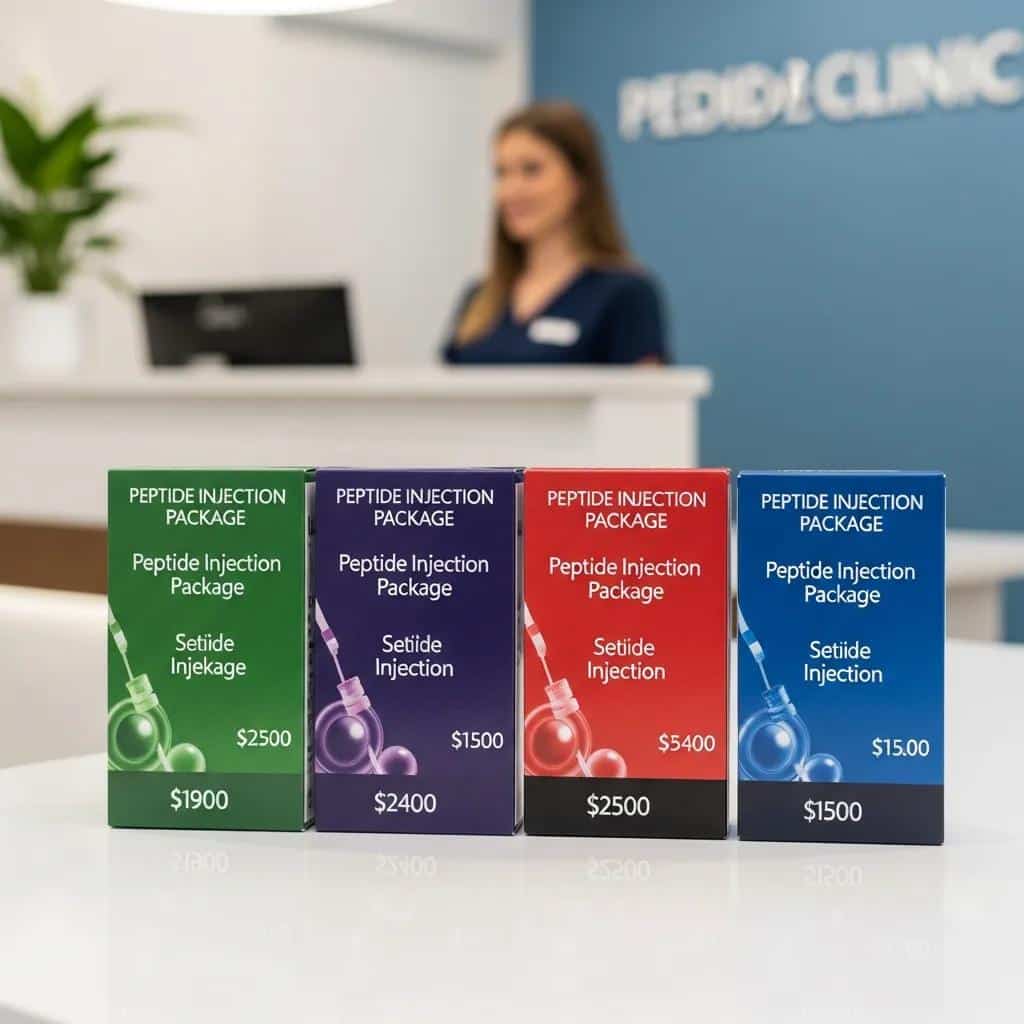
Transparent pricing and clearly defined packages help patients plan their medical weight‑loss journey and compare the level of clinical support included. Below we outline the clinic’s monthly packages and what each tier typically includes, followed by a simple table that makes it easy to compare entry‑level support with more comprehensive programs that include metabolic coaching and frequent clinical follow‑up.
UCO Medical Clinic offers tiered monthly packages to meet different needs: a Starter option for initial evaluation and basic oversight, a Metabolic Boost for enhanced peptide and nutrition support, a Comprehensive program for intensive clinician monitoring and behavioral integration, and a Maintenance plan for ongoing support after initial weight loss. All packages emphasize physician‑led care, personalized injection plans, and access to virtual consultations. There are no long‑term contracts, and a money‑back guarantee is available after the first injection for qualifying patients. See the package table below for pricing and inclusions.
| Package Name | Monthly Price | What’s Included |
|---|---|---|
| Medical Weight‑Loss Starter Package | $199/month | Initial consultation, starter peptide plan, basic follow‑up and virtual check‑ins |
| Metabolic Boost Peptide Package | $349/month | Enhanced peptide dosing, metabolic support, nutrition guidance, and more frequent monitoring |
| Comprehensive Medical Weight‑Loss Program | $499/month | Full clinician oversight, weekly check‑ins during titration, integrated exercise and metabolic plan |
| Maintenance Peptide Plan | $149/month | Ongoing peptide maintenance dosing, periodic labs, and virtual follow‑up |
This pricing table clarifies service scope so patients can choose the level of clinical support that fits their goals. Our no‑contract policy and money‑back guarantee after the first injection are designed to reduce barriers to starting care and emphasize patient‑centered access.
What Pricing Options Does UCO Medical Clinic Offer for Peptide Injections?
Our pricing structure lets new patients begin with a Starter Package to assess tolerability and early response before moving to a higher‑intensity program if needed. The Metabolic Boost and Comprehensive packages increase clinician contact and integrated metabolic interventions. Maintenance pricing supports long‑term adherence and monitoring without requiring multi‑month commitments, and virtual visits are available across tiers to improve accessibility. This tiered approach helps clinicians match intensity of services to clinical need and patient preference, supporting both short‑term initiation and long‑term maintenance.
Are There Money‑Back Guarantees or Virtual Consultation Options?
Yes—UCO Medical Clinic offers a money‑back guarantee after the first injection for qualifying patients, intended to provide reassurance during initial titration and early treatment assessment. Virtual consultations are available for initial evaluations and follow‑up, allowing remote titration, symptom monitoring, and lab review to reduce barriers to ongoing care. These features—physician‑led protocols, pharmaceutical‑grade sourcing from 503B pharmacies with third‑party testing, virtual access, and a money‑back guarantee—combine to make our approach both clinically rigorous and accessible for patients seeking supervised injectables.
How Can Patients Manage Side Effects and Support Long‑Term Weight Loss?
Managing common side effects and pairing injections with diet and exercise are essential to maximize benefit and sustain weight loss. Physician‑guided titration, symptom management strategies, and monitoring plans reduce the frequency and severity of adverse events, while targeted nutrition and resistance training protect lean mass and support metabolic health. Patients should understand expected timelines for side effects, how dose adjustments help, and specific behavioral steps that enhance medication effects. Below we outline common side effects with practical management tips, then translate those into diet and exercise recommendations that preserve results.
What Are Common Side Effects of Weight Loss Injections and How Are They Managed?
Gastrointestinal symptoms—nausea, early satiety, vomiting, and constipation—are the most common early side effects; injection‑site reactions and transient headaches also occur and are usually manageable with conservative measures and dose adjustments. Management strategies include gradual dose escalation, dietary changes (smaller, more frequent meals), adequate hydration, short‑term antiemetics when appropriate, and instruction on injection technique to minimize site reactions. Clinicians maintain clear escalation pathways for persistent or severe symptoms, including lab checks and consideration of alternative agents, to ensure safety and continuity of therapy. The table below offers a quick reference mapping side effects to likely onset and practical management approaches for clinicians and patients.
| Side Effect | Likely Onset/Severity | Management Strategy |
|---|---|---|
| Nausea / Vomiting | Early during titration; mild–moderate | Slow titration, small bland meals, antiemetic if needed |
| Constipation | Early to mid‑treatment; mild–moderate | Increase fiber and fluids, use a stool softener, review other meds |
| Injection‑site reaction | Immediately after injection; mild | Rotate sites, use proper technique, apply a cold compress |
| Headache / Fatigue | Early; mild | Hydration, review concomitant medications, pace dose increases |
| Hypoglycemia (with diabetes meds) | Variable; moderate risk if combined | Review glucose‑lowering medications, adjust insulin or sulfonylureas, monitor glucose frequently |
What Diet and Exercise Recommendations Complement Peptide Therapy?
Diet and exercise amplify pharmacologic weight loss and help preserve lean mass. Emphasize adequate protein intake, progressive resistance training, and gradual calorie adjustments rather than extreme restriction. Clinicians commonly recommend a protein‑forward meal plan to support muscle, resistance training two to three times per week, and moderate aerobic activity for cardiovascular fitness—these combine with appetite suppression to improve body composition. Monitoring may include body‑composition checks or simple strength tests and dietary counseling timed to the titration schedule so metabolic changes and treatment phases stay aligned. Using these lifestyle steps alongside injections increases the likelihood of durable weight loss and better metabolic outcomes.
Key dietary priorities include:
- Sufficient protein: Include protein at each meal to help preserve lean mass during weight loss.
- Balanced micronutrients: Maintain vitamins and minerals to support overall metabolic health.
- Meal timing: Smaller, more frequent meals during titration can reduce GI intolerance.
These practical measures integrate with physician‑led plans so pharmacotherapy is supported by evidence‑based lifestyle changes.
What Are the Latest Trends and Future Innovations in Injectable Weight Loss?
The injectable landscape has evolved rapidly through 2024, with wider use of dual and triple agonists, improved delivery methods, and expanding evidence across patient groups. Newer peptides combine GLP‑1 with amylin, GIP, or other pathways to increase percent body‑weight loss and target multiple metabolic systems at once, while ongoing trials refine safety and dosing for broader use. Real‑world adoption is accompanied by a greater focus on pharmaceutical‑grade sourcing, clinic‑led monitoring, and programs that pair peptides with behavioral and metabolic support. These trends point to more potent, personalized therapies that require thoughtful clinical oversight to maximize benefit and maintain safety.
How Are Next‑Generation Peptides Improving Weight Loss Outcomes?
Next‑generation peptides—dual and triple receptor agonists—aim to increase weight loss by engaging multiple satiety and metabolic pathways, improving efficacy beyond single‑receptor agents and offering stronger metabolic benefits. Mechanistically, combining GLP‑1 with GIP or amylin pathways can produce additive or synergistic appetite suppression, better glycemic control, and favorable shifts in body composition; preliminary trial data through 2024 suggest these combinations may yield larger mean percent weight losses. Clinical adoption will depend on longer‑term safety, tolerability during titration, and real‑world effectiveness alongside lifestyle changes. As these agents progress through regulatory and post‑market study phases, physician‑led programs with careful titration and comprehensive support will be essential for safe uptake.
What Do Recent Clinical Trials Reveal About Tirzepatide and Semaglutide Efficacy?
Pivotal trials and comparative analyses through 2023 show that tirzepatide often produces larger average weight reductions than semaglutide in many study groups, while both agents deliver clinically meaningful metabolic improvements. The size of the difference and side‑effect profiles guide agent selection for individual patients. Dual agonists frequently achieve higher mean percent body‑weight loss but may require tailored titration to manage GI effects, whereas semaglutide offers a well‑characterized balance of effectiveness and tolerability with extensive real‑world experience. These data support individualized treatment planning: patients and clinicians should weigh relative efficacy, tolerability, and personal goals when choosing therapy, ideally within a physician‑supervised program that adapts strategy based on response.
- Emerging evidence favors dual and triple agonists for greater weight‑loss potential.
- Tolerability and monitoring remain decisive factors in clinical decisions.
- Integration with lifestyle continues to be essential for durable success.
Overall, the future of injectable weight‑loss therapy centers on combination biology, rigorous clinician oversight, and integrated lifestyle support to deliver sustained, safe outcomes.
Frequently Asked Questions
What should I expect during my first consultation for peptide injections?
Your first consultation is a focused medical visit where a clinician reviews your medical history, current medications, and weight‑loss goals. We’ll perform a physical assessment, discuss contraindications, and usually order baseline labs to check metabolic and organ function. The clinician will explain available peptide options, expected timelines, and create a personalized treatment plan that fits your needs and safety profile.
How long does it take to see results from peptide injections?
People often notice appetite changes within a few weeks of starting injections, but meaningful weight loss and metabolic improvements generally appear over months of consistent treatment combined with diet and exercise. Individual responses vary based on metabolism, adherence, dosing, and lifestyle changes. Regular follow‑up allows your clinician to track progress and adjust the plan as needed.
Are there any long‑term effects of using peptide injections for weight loss?
Long‑term outcomes are still being studied. Many patients achieve sustained weight loss and improved metabolic health when injections are combined with lifestyle changes, but potential long‑term effects—such as persistent GI symptoms or changes in appetite—require ongoing monitoring. Regular medical follow‑up helps manage risks and assess whether continued therapy is appropriate for each patient.
Can I use peptide injections if I have a pre‑existing medical condition?
Possibly, but it depends on the condition. Diabetes, cardiovascular disease, and hormonal disorders can influence peptide choice and monitoring. A full medical history and baseline testing are essential to determine eligibility and tailor treatment. Always discuss your specific conditions with a clinician so they can recommend the safest, most effective approach.
What lifestyle changes should I make while using peptide injections?
To maximize results, combine injections with a balanced, protein‑rich diet, regular resistance training, and moderate aerobic exercise. Prioritize hydration, sleep, and micronutrient adequacy. Small, sustainable changes—guided by your clinician or a nutritionist—help preserve lean mass and support long‑term weight maintenance alongside medication.
How do I know if peptide injections are right for me?
Determining whether peptide injections are right for you starts with a clinical evaluation. Your clinician will assess weight, BMI, medical history, prior weight‑loss attempts, and goals. If conservative approaches haven’t worked or you have obesity‑related comorbidities, peptide therapy may be a reasonable option. A personalized consultation will clarify benefits, risks, and the plan that best supports your health objectives.
Conclusion
Physician‑supervised peptide injections offer a clinically grounded path to meaningful weight loss by using GLP‑1 and GIP biology to improve appetite control and metabolic health. When treatment is tailored to the individual and combined with nutrition and strength training, patients can reduce body weight while protecting lean mass. Working with a qualified clinic ensures ongoing monitoring and adjustments throughout your weight‑loss journey. If you’re ready to explore personalized peptide injection options, contact UCO Medical Clinic to schedule an evaluation and begin a plan designed for your goals.