USCIS I-693 Medical Exam Guide for Green Card Applicants
By Yukhanan Benjamin, MD, PhD, Florida USCIS Immigration Doctor
The USCIS I-693 immigration medical exam is a required step for anyone applying for a green card in the United States. This clear, practical guide walks you through what the exam covers, how to prepare, and what to expect at your appointment. Knowing the I-693 process helps you meet USCIS health standards and keeps your application on track. Many people feel unsure about the exam — with the right information and a little preparation, you can complete it smoothly. Below we cover the exam’s purpose, preparation tips, required health screenings and vaccinations, cost, and how to find a designated civil surgeon in Hallandale Beach.
What is the USCIS I-693 Immigration Medical Exam?
The I-693 is a mandatory medical evaluation for green card applicants. Its purpose is to confirm applicants don’t have communicable diseases or other medical conditions that would affect admissibility. The exam includes a physical check, a review of your medical history, and required vaccinations or lab tests. Completing this exam is an important part of the immigration process and helps USCIS assess public-health risks.
Who needs the immigration medical exam and why is it required?
The medical exam is required for people applying to adjust status to lawful permanent resident — including family-based and employment-based applicants, as well as refugees and asylees. It identifies health conditions that could affect eligibility for a green card. Not completing the exam or submitting incomplete documentation can delay or jeopardize your application, so it’s important to follow the instructions carefully.
What are the key components of the I-693 exam process?
The I-693 exam typically includes these steps: a physical examination by a USCIS-designated civil surgeon, a review of your medical and vaccination history, and any required lab tests or x-rays. The civil surgeon will document results on Form I-693 and advise you on any vaccinations or follow-up care needed to meet USCIS requirements.
How to Prepare for Your USCIS I-693 Medical Exam at UCO Medical Clinic
Getting ready for the I-693 exam is straightforward: gather your paperwork, review your vaccine history, and know how to schedule your appointment. Being prepared helps the visit go quickly and reduces the chance of follow-up requests from USCIS.
What documents and vaccination records should you bring?
Bring these items to your I-693 appointment:
- Identification Documents: A government-issued photo ID such as a passport or driver’s license.
- Vaccination Records: Official records showing doses of required vaccines (for example, MMR, Tdap, varicella).
- Medical History Documentation: Any relevant medical records, past test results, or treatment notes that could affect your exam.
Having complete records on hand speeds up the exam and helps the civil surgeon complete your I-693 accurately.
How to schedule and what to expect during your appointment?
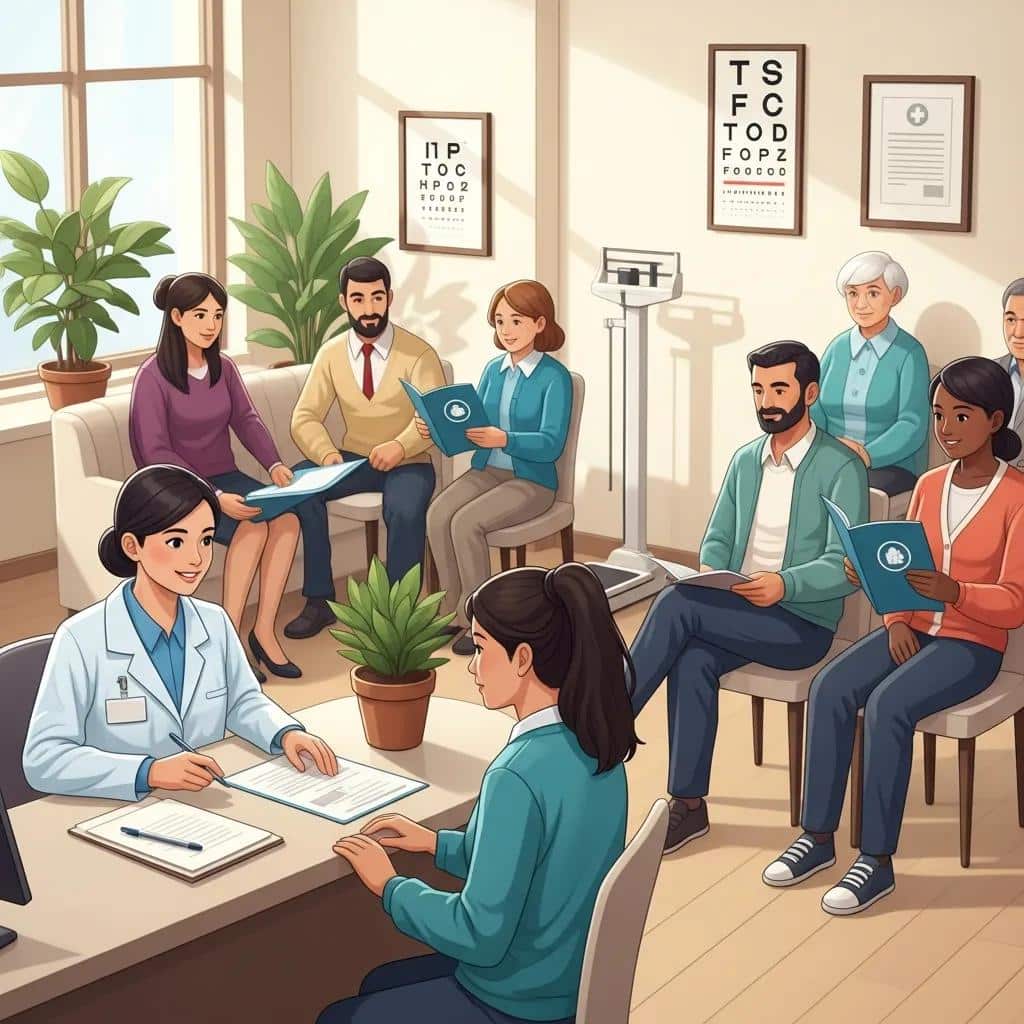
To book your I-693 exam at UCO Medical Clinic, contact the clinic directly. At the appointment you’ll receive a full physical exam, a review of your medical and vaccination history, and any necessary lab tests or vaccinations. The civil surgeon will explain required next steps and complete Form I-693 if you meet the health standards.
What Are the USCIS Medical Exam Requirements and Health Screenings?
The USCIS medical exam has specific screenings and vaccination requirements designed to protect public health. Knowing what tests are standard will help you prepare and avoid surprises on the day of your exam.
Which communicable diseases and lab tests are included?
The I-693 typically screens for these conditions:
- Tuberculosis (TB): A Mantoux tuberculin skin test or an IGRA blood test checks for TB infection.
- Syphilis and Gonorrhea: Blood tests screen for syphilis; gonorrhea testing is required only for certain applicants based on age and risk.
- Other Communicable Diseases: Additional tests may be requested depending on your medical history or risk factors.
These screenings help protect community health and ensure applicants meet USCIS requirements.
What vaccinations are required for the green card physical exam?

Applicants must show proof of specific vaccinations as part of the I-693. Commonly required vaccines include:
- Measles, Mumps, and Rubella (MMR)
- Tetanus, Diphtheria, and Pertussis (Tdap)
- Varicella (Chickenpox)
- Influenza (seasonal flu) — required only during flu season (usually October through March)
- COVID-19 — currently required per CDC guidance for immigration medical exams
If you have valid medical or religious reasons, waivers may be possible; discuss your vaccine history and any concerns with the civil surgeon during the exam.
How Much Does the Immigration Medical Exam Cost and What Insurance Options Are Available?
Costs for the I-693 exam vary by provider and services needed. Knowing expected fees and payment options helps you plan ahead.
What are the pricing details and affordable payment plans?
At UCO Medical Clinic, the I-693 exam usually ranges from $250 to $400, depending on required tests and vaccines. That fee commonly covers the physical exam, lab tests, and vaccine administration. If you need help paying, the clinic offers flexible payment plans to fit different budgets.
Does UCO Medical Clinic accept insurance for the I-693 exam?
UCO Medical Clinic may accept some insurance plans for the I-693 exam. We recommend confirming coverage with your insurer before your visit. The clinic can also explain financial assistance options for underinsured patients so you can access the exam without undue hardship.
Where to Find a USCIS-Designated Civil Surgeon in Hallandale Beach?
Choosing a USCIS-designated civil surgeon is a key step. UCO Medical Clinic is a local, trusted provider that performs I-693 exams and supports applicants through the process.
Why choose UCO Medical Clinic as your civil surgeon?
UCO Medical Clinic is a preferred choice for many applicants because of its experienced clinical team and patient-focused care. We offer straightforward pricing, flexible payment options, and clear guidance through each step so you can complete your medical exam with confidence.
How to verify civil surgeon designation and local accessibility?
You can confirm a civil surgeon’s designation using the USCIS website, which lists approved providers in your area. Always choose a designated civil surgeon to ensure the exam meets USCIS standards. UCO Medical Clinic is conveniently located in Hallandale Beach and accessible to local applicants for timely scheduling and follow-up.
Frequently Asked Questions About the USCIS I-693 Medical Exam
Is the COVID-19 vaccine required for the I-693 exam in 2025?
As of 2025, the COVID-19 vaccine is required for the I-693 exam per current CDC guidance. Public-health rules can change, so check for updates or ask your civil surgeon if you have questions about current vaccine requirements.
Can the I-693 form be submitted after filing Form I-485?
Yes — you can submit Form I-693 after you file Form I-485. Still, it’s best to complete the medical exam as early as possible to prevent delays. Submitting a fully completed I-693 promptly helps keep your green card application moving smoothly.