

Overcoming Low Testosterone: Explore Solutions
By Dr. Yukhanan Benjamin MD, PhD

If you’re a man experiencing persistent fatigue, a dip in your sex drive, or unexplained mood changes, you might be dealing with low testosterone, often called ‘low T.’ This condition affects many men, leading to a range of physical and emotional symptoms that can truly impact daily life. In this article, we’ll dive into the common symptoms associated with low testosterone and explore when Bioidentical Hormone Replacement Therapy (BHRT) might be a viable treatment option for you. Recognizing these signs isn’t just about a diagnosis; it’s about reclaiming your vitality and improving your overall health. Many individuals may experience fatigue, decreased libido, and mood changes, which can significantly impact daily functioning. This guide will cover the symptoms of low testosterone, the diagnostic process, the benefits of BHRT, and how we at UCO Medical Clinic can be your partner in finding affordable and accessible treatment options right here in South Florida.
What Are the Common Symptoms of Low Testosterone in Men?
Low testosterone isn’t just a number on a lab report; it’s a real experience that can touch every part of your life, from your physical energy to your mental clarity. Knowing what to look for is the first step toward feeling like yourself again.
How Does Low Testosterone Affect Energy, Libido, and Mood?

Low testosterone levels can lead to significant fatigue, leaving you with reduced energy and a noticeable decline in libido. You might find yourself dragging through the day, lacking the motivation you once had, and feeling a general sense of lethargy that impacts everything from your work to your hobbies. Beyond the physical, low T can cast a shadow over your emotional well-being. Mood swings, increased irritability, and even feelings of depression can creep in, as testosterone is a key player in regulating our emotional health. Studies have consistently shown an association between low testosterone and these emotional symptoms, emphasizing just how important it is to address hormonal imbalances for your overall well-being.
Research consistently underscores the significant impact low testosterone can have on a man’s overall well-being and daily functioning.
Low Testosterone’s Impact on Men’s Quality of Life
quality of life between men with TDS and those without collected data from 24 men aged over 50 years with low testosterone
The burden of testosterone deficiency syndrome in adult men: economic and quality-of-life impact, M Maggi, 2007
Can Low Testosterone Cause Weight Gain and Muscle Loss?
Yes, low testosterone can absolutely contribute to weight gain and muscle loss. Testosterone is crucial for maintaining muscle mass and regulating fat distribution in your body. When your testosterone levels dip, you might notice an unwelcome increase in body fat, especially around your midsection, and a frustrating decrease in muscle strength. This isn’t just about aesthetics; it can create a challenging cycle where decreased physical activity leads to further weight gain. Addressing low testosterone can be a crucial step in regaining a healthy body composition and feeling stronger.
How Is Low Testosterone Diagnosed in South Florida?
Getting a clear diagnosis for low testosterone involves a thorough look at your health, combining precise blood tests with a careful review of your symptoms.
What Blood Tests and Clinical Evaluations Are Used?
The primary blood tests for diagnosing low testosterone include measuring total testosterone and, in some cases, free testosterone levels. Total testosterone reflects the overall amount of testosterone in your blood, while free testosterone indicates the portion that is bioavailable for your body to use. Our clinical evaluations go beyond numbers; we listen to your symptoms and review your medical history to understand your unique situation and determine the best path forward. Regular monitoring isn’t just a formality; it’s how we ensure an accurate diagnosis and tailor an effective management plan that truly works for you.
When Should Men Seek Medical Consultation for Low T Symptoms?
If you’re experiencing persistent symptoms like ongoing fatigue, a noticeable drop in libido, unexplained mood changes, or weight gain that just won’t budge, it’s time to consider reaching out for medical advice. Early diagnosis and intervention can prevent further complications and significantly improve your overall health. Taking that step to consult with a healthcare provider is crucial. They can conduct the necessary evaluations and recommend appropriate treatment options that are truly tailored to your individual needs and lifestyle.
What Is Bioidentical Hormone Replacement Therapy and How Does It Work?
Bioidentical Hormone Replacement Therapy (BHRT) is a personalized treatment designed to gently restore the hormonal balance in men who are experiencing the challenges of low testosterone.
How Do Bioidentical Hormones Differ from Synthetic Hormones?
Bioidentical hormones are derived from natural plant sources and are chemically identical to the hormones your body naturally produces. This is a key difference from synthetic hormones, which may have different chemical structures and can sometimes lead to varying side effects. This approach aims to offer a more natural way to replace hormones, potentially leading to fewer unwanted side effects and a greater sense of well-being for our patients.
What Are the Benefits of BHRT for Men with Low Testosterone?
BHRT offers several compelling benefits for men suffering from low testosterone. Our patients often share stories of renewed energy, a more stable mood, a revitalized libido, and even increased muscle mass. Beyond the clinical data, the real story is how BHRT can significantly improve the quality of life for men with low testosterone, offering a viable path for those eager to regain their vitality and overall health.
Exploring Other Treatment Options: Enclomiphene (Encomid)
How Does Enclomiphene Stimulate Natural Testosterone Production?
While Bioidentical Hormone Replacement Therapy (BHRT) directly replaces hormones, another effective treatment option, Enclomiphene (often marketed as Encomid), works by stimulating your body’s natural testosterone production. This non-steroidal medication offers a different approach for men seeking to address low testosterone levels.
Enclomiphene functions by blocking estrogen receptors in the hypothalamus and pituitary gland. This action signals these glands to increase the release of Luteinizing Hormone (LH) and Follicle-Stimulating Hormone (FSH). These crucial hormones then travel to the testes, prompting them to produce more testosterone naturally. This mechanism allows the body to restore its own hormonal balance without introducing exogenous testosterone.
The benefits of Enclomiphene include maintaining natural testicular function and potentially preserving fertility, which can be a significant consideration for many men. Unlike direct testosterone replacement, Enclomiphene helps to avoid the suppression of the body’s natural testosterone production, offering a unique advantage for certain patients.
When Should You Consider BHRT for Low Testosterone in South Florida?
If you’ve received a diagnosis of low testosterone and are finding that its symptoms are significantly impacting your daily life, then exploring BHRT might be the right next step for you.
Who Is an Ideal Candidate for BHRT?
You might be an ideal candidate for BHRT if you have clinically confirmed low testosterone levels and are experiencing persistent symptoms like fatigue, a noticeable decrease in libido, or troubling mood disturbances. Additionally, those who haven’t found relief through lifestyle changes or other treatments may find BHRT to be a beneficial option. A thorough, compassionate evaluation by one of our healthcare providers can help you understand if BHRT is the right choice for you, taking into account your unique health conditions and lifestyle.
What Is the BHRT Treatment Process at UCO Medical Clinic?
At UCO Medical Clinic, your journey with BHRT begins with a comprehensive, understanding consultation where we listen to your concerns, assess your symptoms, and conduct the necessary blood tests. Once low testosterone is confirmed, we work with you to develop a personalized treatment plan, which may include bioidentical hormone formulations tailored precisely to your needs. We schedule regular follow-up appointments to closely monitor your progress and make any necessary adjustments to your treatment, ensuring you achieve optimal results and feel truly satisfied with your care.
How Does UCO Medical Clinic Support Affordable and Accessible BHRT in South Florida?
At UCO Medical Clinic, we believe that everyone deserves access to quality care. That’s why we’re deeply committed to providing affordable and accessible BHRT options for men right here in South Florida.
What Insurance Plans Does UCO Medical Clinic Accept for BHRT?
UCO Medical Clinic proudly accepts various insurance plans, including Aetna, Cigna, Florida Blue Cross, Medicaid, Medicare, and Oscar. This broad acceptance helps ensure that you can access the vital treatments you need without unnecessary financial strain. And for those without insurance, we also offer flexible self-pay options and financial assistance programs to help make treatment possible.
How Does Telemedicine Enhance BHRT Access for South Florida Patients?
Telemedicine plays a crucial role in enhancing access to BHRT for our patients in South Florida. Through our convenient telemedicine appointments, you can consult with our board-certified physicians from the comfort and privacy of your own home, making it so much easier to receive expert care without the hassle of extensive travel. This modern approach not only boosts convenience but also allows for timely follow-ups and quick adjustments to your treatment plan, ensuring you always receive the personalized support you need to thrive.
What Are the Different BHRT Treatment Options and What to Expect?
When it comes to BHRT, you have several treatment options, each offering unique delivery methods and benefits designed to fit your lifestyle.
What Delivery Methods Are Available: Pellets, Injections, Creams, and Gels?
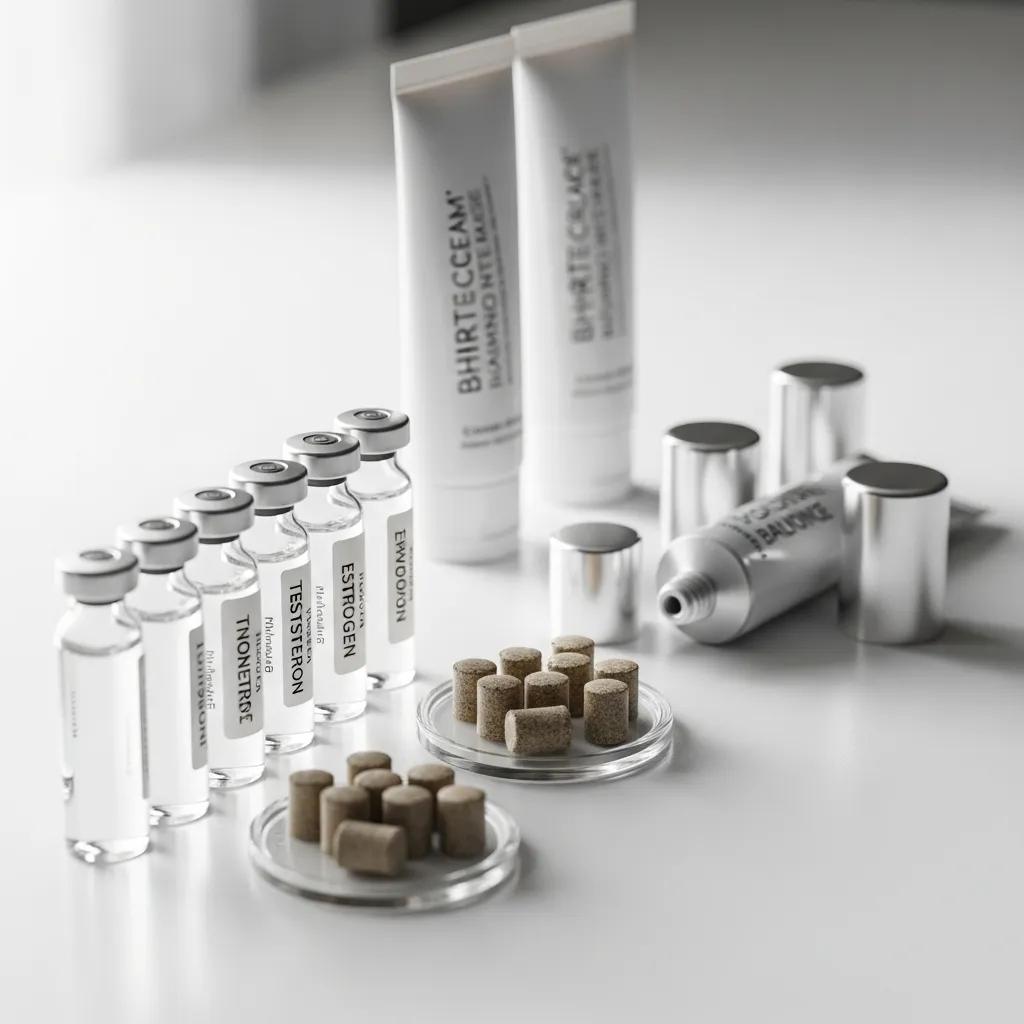
BHRT can be administered through various delivery methods, including pellets, injections, creams, and gels. Each method has its advantages: pellets provide long-lasting effects, injections allow for quick adjustments, and creams and gels offer ease of use. We encourage you to discuss your preferences with your healthcare provider to determine the most suitable option that aligns with your lifestyle and treatment goals.
Further details on the mechanism of pellet delivery highlight its effectiveness in sustained hormone release.
Bioidentical Pellet HRT: Delivery & Testosterone Release
Bioidentical pellet hormone replacement therapy (HRT) has become one of the most prescribed types of HRT. This therapy involves the subcutaneous placement of a pellet (approximately the size of a grain of rice) in the hip or buttock. The pellet then releases hormones (estrogen, testosterone, and prohormones) into the blood stream over 3-6 months.
Comparison of Two Delivery Methods of Bioidentical Hormone Replacement Therapy, 2025
How Are Side Effects Managed and Results Optimized?
Managing side effects and optimizing your results is a critical aspect of BHRT, and it’s something we take very seriously. We closely monitor you for any potential adverse reactions, and we’re always ready to make adjustments to your treatment plan as needed. Through regular follow-ups and open, honest communication with our healthcare providers, we ensure that any concerns you have are addressed promptly, leading to a more effective and comfortable treatment experience for you.
Ready to Reclaim Your Vitality?
If you’re experiencing symptoms of low testosterone, don’t wait to explore your options. UCO Medical Clinic in Hallandale, Florida, offers comprehensive evaluations and personalized treatment plans, including BHRT and Enclomiphene therapy.
In-office or Online Appointments Available