

Your Complete Guide to Birth Control & Family Planning
Choosing a birth control method can feel confusing — and that’s normal. This guide breaks down the main contraceptive options, how they work, and what they may mean for your health and lifestyle. We’ll walk through the types of birth control, key factors to consider, why family planning counseling helps, common side effects and safety points, and where to find affordable care, including services at UCO Medical Clinic.
Types of Birth Control: What’s Available?
There are several contraceptive approaches, each with different ways of preventing pregnancy and different effectiveness levels. The main categories include hormonal methods, barrier methods, intrauterine devices (IUDs), and natural fertility-based methods. Knowing how each works can help you match a method to your needs and daily life.
| Method Type | Mechanism | Effectiveness |
|---|---|---|
| Hormonal Contraceptives | Use hormones to stop ovulation and thicken cervical mucus | 91-99% |
| Barrier Methods | Physically block sperm from reaching the egg | 71-88% |
| IUDs | Prevent fertilization and, in some cases, implantation | 99% |
| Natural Methods | Track fertility signs and timing to avoid pregnancy | 76-88% |
This table shows typical effectiveness ranges so you can compare options more easily.
How Do Hormonal Contraceptives Like Birth Control Pills Work?
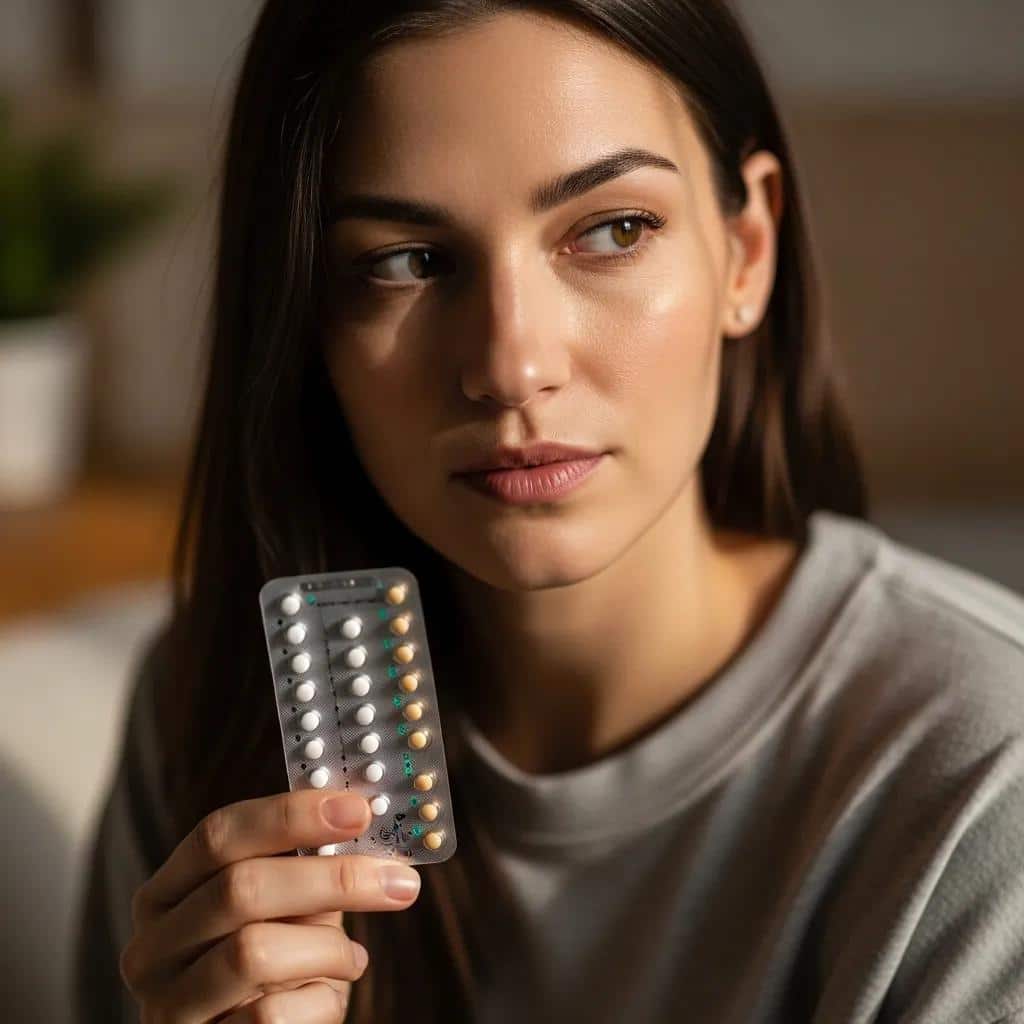
Hormonal methods — for example, combination birth control pills — release estrogen and progestin (or progestin alone) to stop ovulation. They also thicken cervical mucus so sperm have a harder time reaching an egg. Many people find hormones help regulate periods and reduce cramps, though effects vary by person.
Long-Term Options: IUDs and Implants
Long-acting reversible contraception, like IUDs and implants, offers low-maintenance protection. IUDs are small devices placed inside the uterus and can last several years; they make the uterine environment hostile to sperm, and hormonal IUDs add mucus-thickening and lining-thinning effects. Implants are thin rods placed under the skin of the arm that release hormones to prevent ovulation for up to three years. Both types are very effective — IUDs have success rates above 99%.
Research shows long-acting methods are becoming more common because they reduce the need to remember a daily or monthly routine.
Contraceptive Effectiveness & Method Selection
Contraceptive effectiveness depends on the medication or device itself, individual fertility, how often sex occurs, and how consistently a person uses the method. In the US, oral contraceptive pills are the most commonly used reversible method and make up 21.9% of contraception currently in use. Pregnancy rates for people using oral contraceptives are about 4% to 7% per year. Use of long-acting methods, such as intrauterine devices and subdermal implants, rose from 6% of users in 2008 to 17.8% in 2016; these long-acting methods have failure rates under 1% per year.
Contraception selection, effectiveness, and adverse effects: a review, S Teal, 2021
How Do You Choose the Right Method for Your Needs?
Picking a method means weighing your health, daily life, and future plans. Look at your medical history, any conditions that could affect safety, and how comfortable you are with methods that require routine action versus those that don’t. A conversation with a clinician can help match an option to your priorities.
What Factors Should Influence Your Decision?
Key things to think about include:
- Health considerations: Existing medical issues, medications, and risks can narrow safe choices.
- Lifestyle factors: Travel, work schedule, and whether you prefer a hands-off method matter.
- Future family plans: If you hope to conceive soon, some methods are easier to stop than others.
How Does Family Planning Counseling Help?

Family planning counseling gives you personalized information based on your health history and goals. A counselor or clinician can explain pros and cons, clear up myths, and help you leave with a plan you feel confident about.
Common Side Effects and Safety Considerations
Most contraceptives are safe for many people, but side effects can occur. Knowing what to expect helps you spot issues early and get the right support.
What Side Effects Might You See?
Hormonal methods can cause:
- Nausea: Often mild and usually improves after a short time.
- Weight changes: Some people notice fluctuations, though causes vary.
- Mood changes: Hormones can affect mood for some users.
Barrier methods tend to have fewer systemic effects but can cause local irritation or allergic reactions for some people. Talk with your provider about any symptoms you notice.
How Should You Monitor Safety?
Keep regular follow-ups with your healthcare provider to make sure your chosen method still fits your health and life. If you experience concerning side effects, your provider can suggest adjustments or different options.
Where to Find Affordable Family Planning Clinics and Emergency Contraception
Affordable family planning is available through many clinics and community health centers that offer counseling, contraception, and emergency contraception services.
UCO Medical Clinic offers accessible, affordable care for family planning and birth control. For example, a pelvic exam with a Pap smear is available for $99, and a combo panel of tests is $125.
What Affordable Services Does UCO Medical Clinic Offer for Underinsured Patients?
UCO Medical Clinic aims to make care affordable for underinsured patients. Available options include:
- Affordable doctor visits: Comprehensive consultations at reduced rates.
- Self-pay discounts: Lower prices for patients who pay out-of-pocket.
How and When Should You Use Emergency Contraception?
Emergency contraception can prevent pregnancy after unprotected sex. It works best when taken as soon as possible — ideally within 72 hours — though some types remain effective up to 120 hours (5 days) after. Knowing your options and acting quickly gives you the best chance of preventing pregnancy.
Exploring your birth control choices and the resources available empowers you to make decisions that fit your life and health. If you have questions or want to talk through options, UCO Medical Clinic is here to help.
Reviewed by Yukhanan Benjamin MD, PhD, Florida licensed general practitioner