DOT Physical Exam Requirements — 2024 FMCSA Medical Standards for Commercial Drivers
Reviewed by Yuri Skarlat PA-C, Certified Medical examiner

The DOT physical is a required medical evaluation for commercial drivers designed to confirm they meet federally mandated health standards for safe vehicle operation. In 2024, the Federal Motor Carrier Safety Administration (FMCSA) continues enforcing these standards, affecting drivers nationwide. This page explains who needs a DOT physical, the core medical criteria, and practical steps to prepare. Clear understanding helps drivers stay compliant and protect everyone on the road. We also outline how UCO Medical Clinic in Hallandale Beach, Florida, supports drivers with expert DOT exam services.
What is a DOT Physical Exam and Who Needs It?
A DOT physical is an FMCSA-mandated medical evaluation for commercial drivers to confirm they are physically able to operate a commercial motor vehicle safely. The exam reviews vision, hearing, cardiovascular and neurological health, among other areas. Its main goal is to identify health issues that might compromise a driver’s ability to respond to road conditions and prevent accidents related to medical impairment.
Definition and Purpose of the DOT Physical Exam
The DOT physical is performed by a certified medical examiner listed on the National Registry of Certified Medical Examiners. The evaluation includes a medical history review, a focused physical exam, and targeted tests such as vision and hearing checks. The examiner’s role is to detect medical conditions that could create safety risks and to determine whether a driver qualifies for a commercial driver’s license (CDL). Accurate disclosure of medical history is critical, as it directly affects certification decisions.
Research highlights the impact of disclosed health conditions on a driver’s certification status and underscores the importance of honest reporting during evaluation.
FMCSA Medical Certification Exam & Driver Fitness
Commercial Driver’s License (CDL) examinees report their medical history during their Federal Motor Carrier Safety Administration (FMCSA) medical certification exams ≤2 years. When the examinees report diagnoses which may impact the control and operation of commercial motor vehicles (CMV), they face scrutiny with decreased medical certification or may be Adam PascoePascoe Page 2 7/18/2018 considered unfit to control and operate a CMV.
COMMERCIAL DRIVER LICENSE EXAMINEES’ MISREPORT ON THEIR FEDERAL MOTOR CARRIER SAFETY ADMINISTRATION CERTIFICATION EVALUATION
What Are the Key 2024 FMCSA Medical Standards for CDL Drivers?
Vision, Hearing, and Blood Pressure Requirements Explained
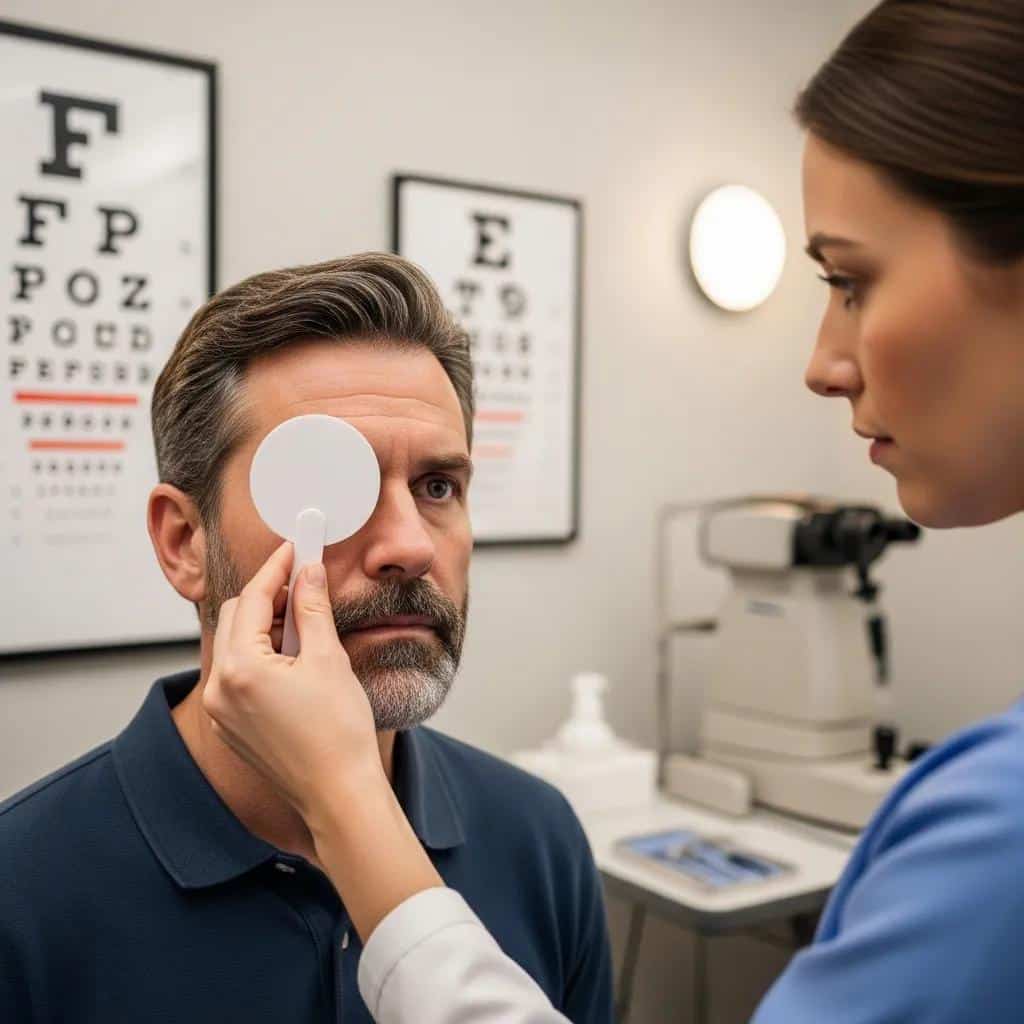
FMCSA standards set clear benchmarks for vision, hearing, and blood pressure. Drivers must have at least 20/40 distant visual acuity in each eye, with or without corrective lenses, and a minimum horizontal field of vision of 70 degrees. Hearing is evaluated by the ability to perceive a forced whisper from five feet in at least one ear, with or without a hearing aid. Blood pressure is monitored—readings under roughly 140/90 mmHg are generally acceptable, though controlled hypertension can still meet certification when managed. These standards ensure drivers can perceive hazards and react safely on the road.
Urinalysis and General Physical Examination Criteria
Urinalysis may be used to screen for indicators such as glucose or protein, but routine urinalysis is not required for every exam unless clinically indicated. The general physical exam evaluates cardiovascular, respiratory, and neurological function to identify conditions that could disqualify a driver from holding a CDL. Certified medical examiners apply FMCSA criteria to make an informed eligibility determination based on these findings.
FMCSA Medical Certification Standards for Drivers
When health conditions are disclosed and the driver is disqualified by medical examiner will apply certification standards to qualify or disqualify drivers by integrating FMCSA medical
The Federal Motor Carrier Safety Administration’s National Registry of Certified Medical Examiners and medical certification of interstate commercial motor vehicle …, 2013
Which Medical Conditions Disqualify You from Passing the DOT Physical?
Cardiovascular, Neurological, and Diabetes-Related Disqualifications
Certain health problems can lead to disqualification. Significant cardiovascular disease—such as recent heart attack or uncontrolled hypertension—may prevent certification. Neurological disorders like epilepsy typically disqualify drivers unless they meet strict seizure-free and medication-free intervals (for example, 10 years under some guidelines). Diabetes, especially insulin-treated diabetes mellitus (ITDM), requires specific documentation and proof of stable control before a driver may be certified. The number and severity of medical conditions directly influence certification length or potential disqualification.
Large-scale studies demonstrate that both the presence and the count of listed conditions affect certification outcomes and durations.
FMCSA Medical Conditions for Driver Disqualification
certification length, or disqualification, based upon the number of conditions a driver has at respect to nearly all of the conditions listed in the FMCSA Medical Review Board’s multiple
What Medical Conditions Limit or Medically Disqualify Truck Drivers: A Large Cross Sectional Study, RJ Hanowski, 2021
Sleep Apnea, Mental Health, and Substance Use Guidelines
Untreated obstructive sleep apnea that impairs alertness can disqualify a driver; effective treatment (for example, documented CPAP compliance) is usually required to maintain certification. Mental health conditions are assessed for their impact on safe driving—severe depression or anxiety that compromises functioning can affect eligibility. Substance use is strictly regulated: a history of substance abuse that could impair driving or noncompliance with FMCSA drug and alcohol testing rules will jeopardize certification.
How Should Drivers Prepare for Their DOT Physical Exam?
What to Bring and How to Manage Existing Conditions
Come prepared with a valid photo ID, a concise medical history, and a current list of medications. Manage chronic conditions proactively—for example, stabilize blood sugar if you have diabetes and follow prescribed treatment plans. Being organized and forthcoming about your health status helps streamline the exam and reduces the chance of delays.
DOT Physical Exam Checklist for Commercial Drivers
- Gather Required Documents: Bring a valid photo ID and a brief medical history.
- List Medications: Provide a current list of all prescription and over-the-counter medications.
- Manage Health Conditions: Ensure chronic conditions are controlled and you have recent records if applicable.
- Stay Hydrated: Drink water before the visit to assist with urinalysis when needed.
Following this checklist will make your DOT physical smoother and help the examiner assess your fitness efficiently.
What is the DOT Medical Card Certification Process and Validity?
Understanding the Medical Examiner's Certificate and Its Duration
After a successful DOT physical, drivers receive a Medical Examiner’s Certificate as proof of medical fitness. Certificates are commonly valid for up to two years, though the examiner may issue a shorter validity period based on individual health status. Regular follow-up and adherence to medical advice help maintain certification.
Exemptions, Waivers, and Retest Policies for CDL Drivers
Some drivers with controlled medical conditions may be eligible for exemptions, waivers, or a Skill Performance Evaluation (SPE) certificate that allow continued operation under defined conditions. Retest policies let drivers address health issues and reapply if they fail an initial exam. Your medical examiner can explain available options and next steps based on your situation.
2024 FMCSA DOT Physical Exam Standards for Commercial Drivers
Expertise of Certified Medical Examiners at UCO Medical Clinic
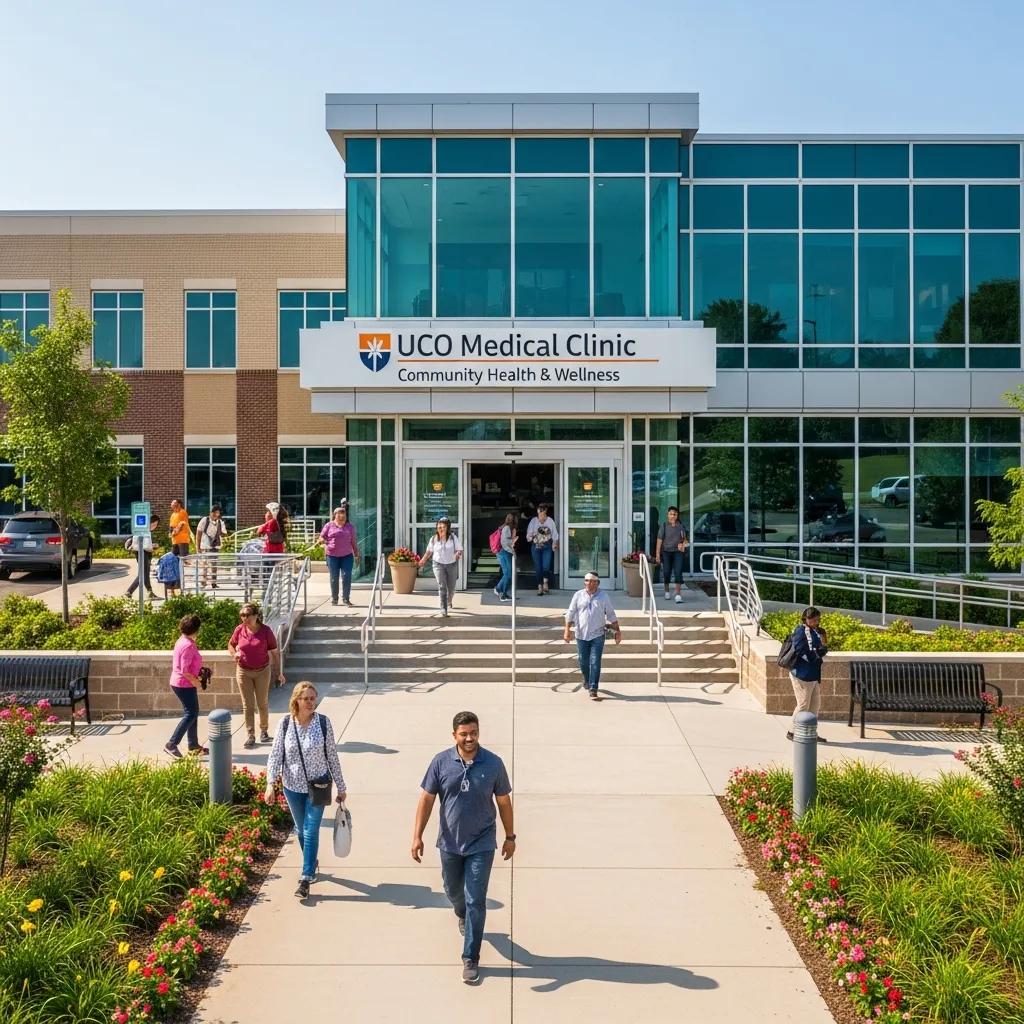
UCO Medical Clinic’s certified medical examiners are familiar with FMCSA requirements and experienced in DOT evaluations. They provide clear, evidence-based assessments and practical guidance so drivers understand their certification status and any recommended follow-up care.
Convenient Location, Affordable Care, and Insurance Acceptance
Conveniently located at 2100 E Hallandale Beach Blvd Suite 404, UCO Medical Clinic offers accessible DOT physical appointments, affordable self-pay options, and acceptance of many insurance plans including Aetna, Cigna, Florida Blue, Medicaid, Medicare, and UnitedHealthcare. We aim to make the process straightforward and cost-effective for local drivers.
| Medical Standard | Requirement | Importance |
|---|---|---|
| Vision | 20/40 distant visual acuity in each eye | Ensures safe visual recognition of hazards |
| Hearing | Perceive a forced whisper at 5 feet in one ear | Critical for auditory awareness on the road |
| Blood Pressure | Generally below 140/90 mmHg; controlled hypertension may be acceptable | Reduces risk of cardiovascular events |
This table highlights core FMCSA medical standards that most CDL holders must meet to help keep roads safer for everyone.
Understanding the DOT physical and the 2024 FMCSA medical standards helps drivers prepare and stay compliant. With proper preparation and the support of a trusted provider like UCO Medical Clinic, drivers can complete their exams confidently and maintain the medical clearance needed to keep working safely.