Complete Guide to Scheduling DOT Physical Exams and Certifications
Author: Yui Skarlat PA-C, Certified Medical Examiner for Department of Transportation

DOT physicals are the medical check your employer—or the law—requires for commercial drivers. This guide walks you through what the exam covers, who needs it, how to prepare, and which medical issues can affect your certification. If scheduling or unclear rules have caused stress, we’ll clear that up and explain how to book a DOT physical in Hallandale Beach at UCO Medical Clinic.
What Are DOT Physical Exams and Why Are They Required?
A DOT physical is an FMCSA-required medical exam designed to make sure commercial drivers are healthy enough to operate vehicles safely. Examinations cover eyesight, hearing, vital signs and general physical fitness so drivers can respond to road hazards and protect everyone on the road.
Understanding the FMCSA Medical Certification Process
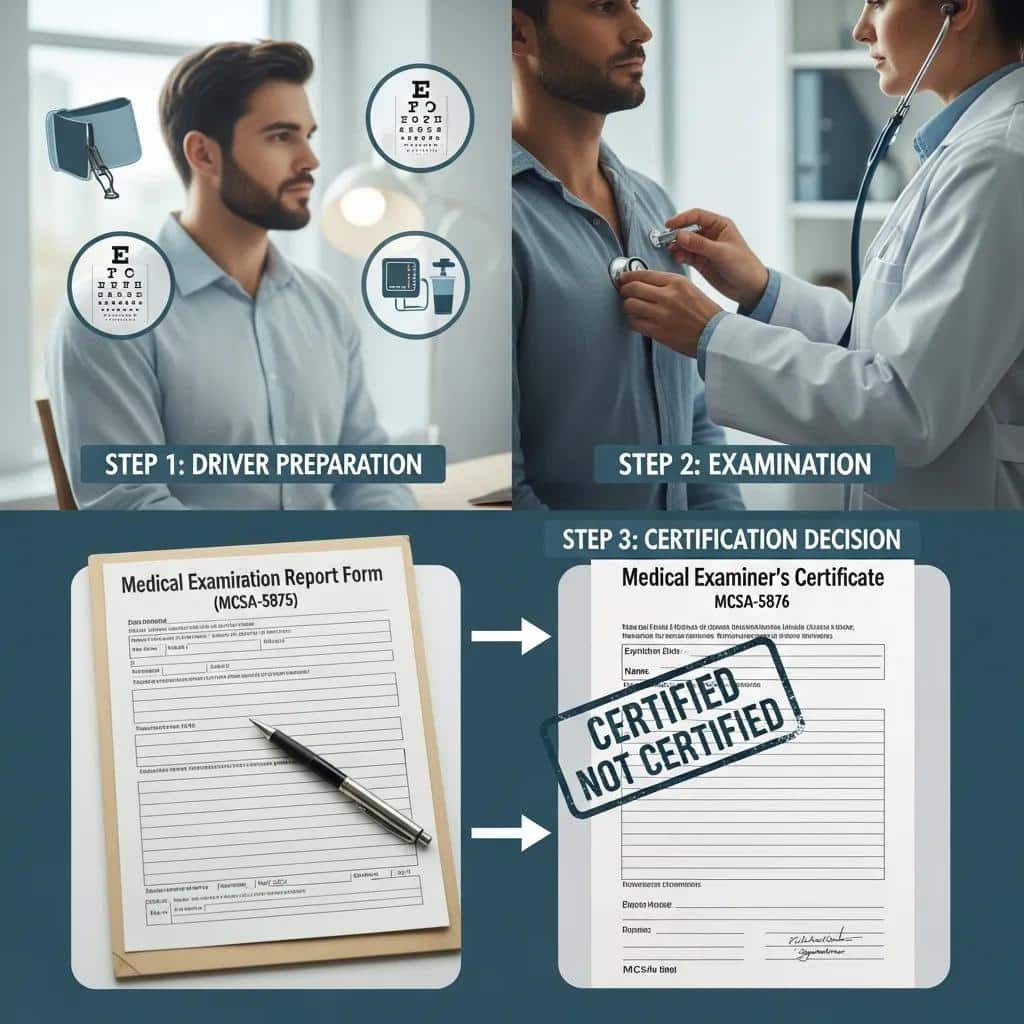
The certification process starts with a medical history form that lists prior conditions and treatments. A certified medical examiner then performs a physical exam—checking vital signs, vision and hearing among other things—and decides whether you meet FMCSA standards. Certifications can be valid for up to two years, but if a health issue requires closer monitoring, the examiner may issue a shorter-term certificate.
Who Needs a DOT Physical Exam and When?
DOT physicals are required for drivers who operate commercial vehicles in interstate commerce—truck drivers, bus drivers and others carrying goods or passengers. How often you need a re-check depends on your health; many drivers are cleared for two years, while those with chronic conditions may need more frequent follow-up exams. Drivers 65 and older must maintain a medical examiner’s certificate to keep driving commercially.
What Are the DOT Physical Exam Requirements for Commercial Drivers?
DOT requirements focus on the basic abilities needed to drive safely: sight, hearing and stable vital signs. Examiners verify these standards during the physical to confirm fitness for duty.
Vision, Hearing, and Blood Pressure Standards
To pass, drivers typically need visual acuity of at least 20/40 in each eye, with or without correction. Hearing is assessed by a forced whisper at 5 feet or by meeting an audiometric threshold of 40 dB at 500, 1000 and 2000 Hz in one or both ears. Blood pressure is monitored—readings below about 140/90 mmHg are preferred—but drivers with well-controlled hypertension can often still be certified.
Urinalysis and Medical History Review
Urinalysis is not required in every DOT exam but may be used by the examiner to screen for conditions such as diabetes or kidney disease. A careful review of your medical history helps identify conditions that might disqualify you or require additional documentation. Common concerns include uncontrolled high blood pressure, some cardiovascular disorders, and certain neurological conditions. Knowing this ahead of time helps you prepare and address issues before your visit.
Accurately reporting your medical history during the FMCSA certification process matters — examiners review diagnoses that could affect your ability to safely operate a commercial vehicle.
FMCSA Medical Certification: Driver Medical History & Fitness
Commercial Driver’s License (CDL) applicants and holders report medical history when they undergo FMCSA medical certification exams (typically every ≤ 2 years). When drivers report conditions that could affect control or operation of a commercial motor vehicle (CMV), examiners may limit certification or find the driver unfit for duty. Examiners can also review electronic medical records (EMRs) to better understand a driver’s risk for sudden or progressive incapacitation, supplementing the driver’s self-reported history.
COMMERCIAL DRIVER LICENSE EXAMINEES’ MISREPORT ON THEIR FEDERAL MOTOR CARRIER SAFETY ADMINISTRATION CERTIFICATION EVALUATION
How to Prepare for Your DOT Physical Exam: What to Bring and Expect

A little preparation makes the visit faster and reduces surprises. Bring your paperwork, be ready to discuss your medical history, and know the basic steps of the exam so you feel confident on test day.
Essential Documents and Medical Information
Bring a valid driver’s license, any recent medical records that relate to chronic conditions, lists of medications, and documentation from specialists if you have ongoing issues. Having these items on hand helps the examiner make a clear, timely decision.
Exam Procedures and Common Tests
During the exam you’ll have vision and hearing checks, blood pressure measurement, and a general physical evaluation. The examiner will ask about your health and any medications, then assess whether you are fit for commercial driving. Knowing the steps ahead of time often eases anxiety and speeds the appointment.
What Medical Conditions Can Disqualify You from a DOT Physical?
Some medical conditions can prevent certification or require additional documentation. Being aware of these issues lets you work with your healthcare team to manage them before your exam.
Cardiovascular and Diabetes Management Guidelines
Cardiovascular problems—such as uncontrolled hypertension or a recent heart attack—may affect certification. Drivers with diabetes must show that their condition is well-managed and free of severe complications. Insulin use carries specific FMCSA requirements, including regular monitoring and documented compliance with treatment. Close follow-up with your primary care doctor or specialist helps maintain eligibility.
Medical examiners must follow FMCSA standards carefully; incorrect or incomplete exams can expose the public to risk and create liability for the examiner, especially when dealing with automatically disqualifying conditions.
DOT Physical Exam Regulations & Disqualifying Conditions
Most commercial driver certifications are straightforward and most drivers pass. However, if exams are not performed according to standards, unqualified drivers could remain on the road and an examining physician could face liability after an incident. The examiner’s primary responsibility is public safety. Federal Motor Carrier Safety Regulations outline conditions that may disqualify a driver and those that may allow temporary certification until better medical control is achieved. Certain diagnoses—such as insulin-requiring diabetes mellitus—are often disqualifying regardless of control, while other conditions may require documented clearance from a specialist before certification can be granted.
DOT examinations: practical aspects and regulatory review, K Hegmann, 1998
Sleep Apnea and Other Neurological Considerations
Untreated sleep apnea can disqualify drivers; treated patients must show compliance with therapy (for example, regular CPAP use) and documented improvement. Neurological issues—seizure disorders or significant cognitive impairment—may also disqualify a driver unless the condition has been controlled for a specified period and appropriate medical supervision is in place. Early diagnosis and consistent treatment improve the chance of maintaining certification.
How to Schedule Your DOT Physical Exam in Hallandale Beach and What It Costs
Booking a DOT physical is simple once you know where to go and what to expect on price and payment. Below we outline common cost factors and scheduling options at UCO Medical Clinic.
Affordable Pricing and Accepted Insurance Plans
UCO Medical Clinic offers competitive rates for DOT physicals so drivers can meet employer and regulatory requirements without undue cost. Many DOT exams are billed privately because they are considered employment screenings rather than medical treatment, though parts of an exam or related evaluations may be covered by some insurance plans. Check with your insurer if you expect coverage.
Booking Appointments Online and Telemedicine Options
You can book your DOT physical online through our site for a convenient appointment. We also offer telemedicine for pre-visit consultations so you can review your history with a clinician ahead of your in-person exam. Note: the physical exam itself must be done face-to-face to meet FMCSA rules.
Who Are the Certified Medical Examiners at UCO Medical Clinic?
Our team includes FMCSA-certified medical examiners experienced in DOT evaluations and local regulations.
Meet Our FMCSA-Certified Examiners and Their Credentials
Our examiners are trained and credentialed to perform DOT physicals and to interpret medical histories against FMCSA standards. Their experience helps drivers get accurate, timely certifications and clear guidance about next steps when additional care or documentation is needed.
Ensuring Compliance with National Registry Standards
UCO Medical Clinic follows National Registry requirements and FMCSA guidance for every exam. That commitment helps protect the integrity of your certification and gives you confidence in the results.
Frequently Asked Questions
What should I do if I fail my DOT physical exam?
If you don’t pass, the examiner will explain why and what needs attention. Common next steps include lifestyle changes, starting or adjusting medications, or getting specialty evaluations. Once your condition is addressed, you can return for a follow-up exam. Work with your healthcare provider for a tailored plan to regain certification.
How often do I need to take a DOT physical exam?
Most drivers need a DOT physical every two years. If you have certain medical conditions—like diabetes or uncontrolled hypertension—the examiner may request more frequent checks. Always follow your examiner’s recommendation for re-evaluation.
Can I use my personal physician for a DOT physical exam?
Yes—if your personal physician is listed on the FMCSA National Registry of Certified Medical Examiners. Confirm that your doctor has the required certification before scheduling the DOT exam to ensure the results are accepted.
What happens if I have a medical condition that may disqualify me?
Be proactive: consult your healthcare provider and gather supporting records or specialist clearance if needed. Some conditions can be managed or documented to satisfy FMCSA requirements. Your examiner can tell you what evidence is required and whether temporary certification is possible while you work on control.
Are there any exemptions for certain medical conditions?
In some cases drivers may qualify for exceptions—such as a Skill Performance Evaluation (SPE) certificate—that allow limited driving under specific conditions. These exemptions require documentation and FMCSA approval. Speak with a certified examiner to learn if you might qualify and what paperwork is needed.
What should I do if I have a history of substance abuse?
Be honest during the exam. The FMCSA expects drivers with a history of substance abuse to demonstrate sustained sobriety and may require documentation of treatment or counseling. Additional testing or monitoring can also be part of the clearance process. A healthcare professional can help you prepare the necessary records.
How can I find a certified medical examiner near me?
Use the FMCSA National Registry of Certified Medical Examiners to search by city or state. You can also book with local clinics like UCO Medical Clinic, which offers online scheduling and telemedicine prep visits to make the process easier.
Conclusion
Knowing the DOT physical requirements and how to prepare makes certification smoother and reduces downtime. If you need a reliable, FMCSA‑certified examiner in Hallandale Beach, schedule your DOT physical at UCO Medical Clinic — we’ll guide you through the process and help you get back on the road with confidence.