
I-693 Green Card Medical Exam: Timeline & Preparation Guide
Author: Yukhanan BenajmIn MD Phd, Florida licensed Civil Surgeon

The green card medical exam can feel overwhelming, but a little planning makes the process straightforward. This guide explains the I-693 immigration physical in clear terms—what happens at your appointment, what documents to bring, and how to avoid common delays. The medical exam is an essential step in the green card process: USCIS uses it to confirm applicants meet required health standards. If you’re unsure about the steps or paperwork, this article walks you through the exam, preparation tips, the role of the civil surgeon, and the typical costs you can expect.
What Is the I-693 Green Card Medical Exam and Why Is It Required?
The I-693 is the medical report USCIS requires for most adjustment-of-status applicants. The exam documents your medical history, vaccination status, and overall health to identify any public-health risks and to determine eligibility for permanent residency.
What Does Form I-693 Include and Who Must Complete It?
Form I-693 is completed by a USCIS-designated civil surgeon after your exam. Anyone applying to adjust status—whether through family, employment, or other categories—will typically need this form as part of their application. The form records your physical exam, vaccine review, and any tests the surgeon requires.
What Role Does a USCIS Civil Surgeon Play in the Exam?
A USCIS civil surgeon is a licensed physician authorized to perform I-693 exams. They review your medical history, check vaccination records, run required tests, and complete Form I-693. Their job is to apply USCIS health standards and accurately document the results so your exam meets federal requirements.
How Do You Prepare for Your Green Card Medical Exam?
Good preparation makes the visit quicker and reduces the chance of follow-up requests. Before your appointment, gather identification, vaccination records, and a concise medical history. Know which vaccines you may need and bring documentation for any past immunizations or treatments.
What Documents and Vaccination Records Are Required for the I-693 Exam?
To prepare for the I-693 exam, applicants should gather the following documents:
- Valid Identification: A government-issued photo ID, such as a passport or driver’s license.
- Vaccination Records: Proof of required vaccinations—common examples include MMR, Tdap, varicella, seasonal influenza, hepatitis B, and any others listed on the CDC’s current immigration vaccination schedule.
- Medical History: A brief summary of your medical history, including past illnesses, surgeries, current medications, and chronic conditions.
Bringing these items helps the civil surgeon complete the exam efficiently and lowers the chance you’ll need extra visits for missing vaccines or paperwork.
How to Find a USCIS Civil Surgeon Near Me in Hallandale Beach
Use the USCIS civil surgeon search tool or contact local clinics to confirm a provider’s authorization. You can also ask friends or family for recommendations. When you call, verify the clinic performs I-693 exams and ask about appointment availability and any paperwork you should bring.
What Happens During the Immigration Physical Exam?
At the appointment the civil surgeon will review your medical history, perform a physical exam, check your vaccination records, and order any required tests. The surgeon will complete Form I-693 based on those findings and follow USCIS guidance for any necessary follow-up.
Which Medical Tests and Vaccinations Are Part of the Exam?
The immigration physical exam typically includes the following tests and vaccinations:
- Physical Examination: A general check-up to assess overall health and identify any conditions of concern.
- Tuberculosis Test: A Mantoux skin test or a blood-based IGRA test, chosen based on age and risk factors.
- Vaccination Review: Verification of required vaccines; the civil surgeon may administer any missing vaccinations according to the CDC’s immigration schedule.
How Long Does the Physical Exam Appointment Typically Take?
Most appointments last about 30 to 60 minutes, depending on needed tests or vaccines and your medical history. Plan to arrive a little early and bring all requested documents to keep the visit on schedule.
What Is the Timeline for Processing Form I-693 and Receiving Results?
After your exam, the timing for I-693 review depends on your overall adjustment-of-status case and USCIS workload. The medical report is reviewed as part of your I-485 package rather than on a separate timeline.
How Long Does USCIS Take to Process the I-693 Form?
There isn’t a separate USCIS processing clock for Form I-693 alone—USCIS reviews it with your adjustment-of-status application. Processing times vary by field office and case type, so monitor your case online and follow any instructions from USCIS.
How Long Is the I-693 Medical Exam Valid After Completion?
The I-693 form is valid for two years from the date the civil surgeon signs it. Make sure USCIS receives the sealed form within that period; otherwise you may need to repeat the exam.
What Are the Costs and Payment Options for the Green Card Medical Exam?
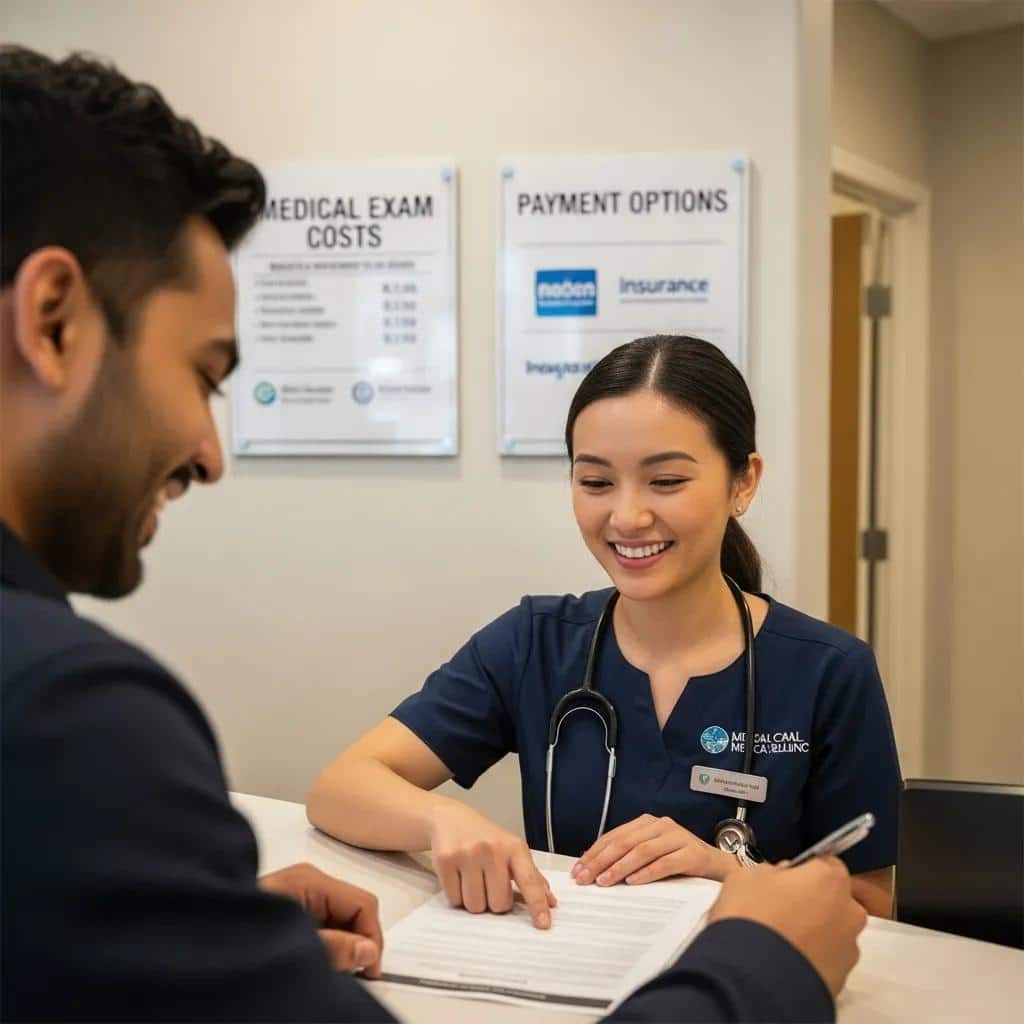
Knowing the likely costs ahead of time helps you budget and avoid surprises on the day of the exam.
What Is the Cost of the I-693 Exam at UCO Medical Clinic?
At UCO Medical Clinic, the I-693 exam fee is $249. This typically covers the physical exam, basic tests, and completion of Form I-693. Additional charges may apply for vaccines or extra tests—call the clinic for a full estimate before your appointment.
Are Insurance and Payment Plans Accepted for Immigration Physicals?
UCO Medical Clinic accepts many insurance plans and can discuss payment options if needed. Contact the clinic to verify your coverage and ask about any payment plans or self-pay rates.
What Happens After Your I-693 Exam and How to Submit the Form?
How to Submit the Sealed I-693 Envelope with Your Green Card Application?
When the civil surgeon completes Form I-693, it may be returned to you in a sealed envelope. Keep the envelope sealed and include it with your adjustment-of-status packet as instructed by USCIS; opening it can invalidate the form. Follow USCIS submission guidelines carefully.
What to Expect After Submission: RFEs and Green Card Approval Timeline
After you submit your application, USCIS may request additional evidence (an RFE) if anything is missing. Approval timelines vary by case type and USCIS workload, but many applicants see a decision within roughly 6 to 12 months. Track your case online and respond promptly to any RFEs to help keep things moving.