
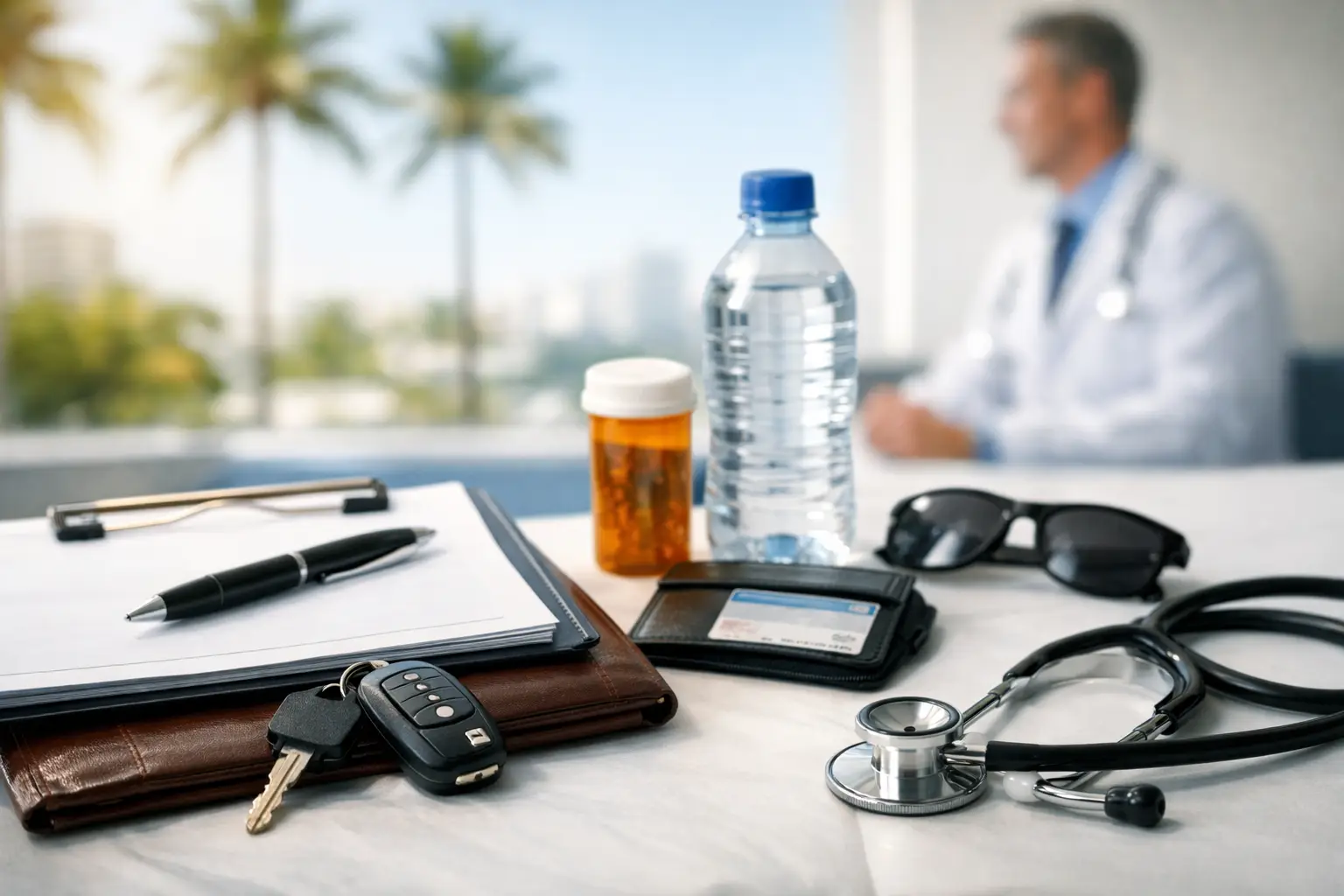
A DOT physical in Hollywood, Florida is not the appointment to rush into during a work break without your paperwork. For commercial drivers, certification can affect the ability to work, so a little preparation can prevent an avoidable delay. Knowing what the medical examiner will review, what records to bring, and when a condition may need follow-up helps you arrive ready for a clear next step.
A Department of Transportation physical is a federally required medical examination for many commercial motor vehicle drivers. The goal is to determine whether a driver can safely perform the demanding work of operating a commercial vehicle. It is not a general annual wellness visit, although it may identify health concerns worth discussing with a primary care provider.
What a DOT Physical Hollywood Florida Visit Covers
The examination follows Federal Motor Carrier Safety Administration standards and must be completed by a certified medical examiner listed on the National Registry. The examiner reviews your health history and evaluates whether medical conditions, medications, vision, hearing, or other factors could affect safe driving.
Your visit generally includes measurements of height, weight, blood pressure, pulse, and a urine sample. The urine test performed as part of the physical commonly checks for health concerns such as sugar, protein, or blood. It is not the same as a DOT drug or alcohol test, which is a separate process when required by an employer or program.
The examiner also checks vision and hearing, reviews your medical history, and performs a physical examination. This may include your heart, lungs, abdomen, spine, extremities, neurologic function, and general mobility. Be prepared to discuss prior surgeries, hospitalizations, sleep concerns, diabetes, heart conditions, mental health conditions, and any history of seizures or fainting.
The purpose is not to catch drivers off guard. It is to make sure a health issue is properly documented, controlled, and evaluated according to DOT standards. Many drivers with ongoing medical conditions can be certified when they bring the right information and follow an appropriate treatment plan.
What to Bring to Your Appointment
The most useful item you can bring is complete, current information. Memory is not always enough when you are asked for medication names, doses, treating providers, or the date of a procedure.
Bring your government-issued photo ID and any employer paperwork that needs to be completed. If you wear glasses, contacts, or hearing aids for driving, bring them and use them for the exam. Your certification is based on whether you meet standards with any required corrective devices.
Also bring a current list of all prescription medications, over-the-counter medicines, vitamins, and supplements. Include the dose and how often you take each one. Certain medications may require a conversation about side effects or a letter from the prescribing clinician, particularly medications that can cause drowsiness or affect alertness.
If you have an ongoing medical condition, records from your treating clinician can make a major difference. Depending on your situation, helpful documents may include recent lab results, a medication list, a treatment summary, specialist notes, or proof that a condition is stable. Do not assume the examiner can access records from another office on the day of your visit.
Drivers who use a CPAP or other positive airway pressure device for sleep apnea should bring recent compliance information if available. Drivers with diabetes may need recent A1C results, blood sugar logs, or treatment records. If you take insulin, the examiner may need additional documentation to confirm that you meet current federal requirements.
Conditions That May Need Extra Documentation
A diagnosis does not automatically mean you will fail a DOT physical. The key question is whether the condition is stable, appropriately treated, and unlikely to interfere with safe commercial driving. The exact documentation needed depends on the condition, your treatment, and the examiner’s clinical judgment.
High blood pressure is one common reason a driver may receive a shorter certification period or need to return after follow-up. Arrive early enough to sit quietly before your reading, avoid nicotine immediately beforehand if possible, and take prescribed medication as directed. Do not skip a medication simply because you are worried about the result.
Diabetes can also require closer review. Controlled diabetes is often manageable in the certification process, but missing records, recent complications, episodes of severe low blood sugar, or unclear medication information can slow things down. Bringing recent information from your treating clinician gives the examiner a more complete picture.
Sleep apnea deserves the same practical approach. Many drivers are able to maintain certification when treatment is effective and documented. If you have been prescribed CPAP therapy, use it consistently and keep your compliance information available. Waiting until the appointment to address an untreated sleep problem can create unnecessary difficulty.
Heart conditions, prior stroke, seizure history, certain psychiatric conditions, and use of controlled medications may also require review or specialist input. Be honest about your history. Withholding information can lead to a bigger problem than the condition itself, especially if it is later found in medical records or causes symptoms while driving.
How to Avoid a Last-Minute Delay
Start preparing several days before your appointment rather than the night before. Check your medication bottles, contact your treating provider if you need a letter or test result, and confirm that your glasses, contacts, or hearing aids are available. If you have recently changed medications or had a new diagnosis, bring the most up-to-date information you have.
Get a normal night’s sleep, drink water, and eat as you normally would unless another clinician has given you different instructions. Extreme caffeine use, dehydration, and rushing through traffic can affect how you feel and may contribute to a higher blood pressure reading. The goal is not to manipulate the exam. It is to show an accurate picture of your usual health.
Be prepared for the possibility that the examiner may request additional records or a follow-up evaluation. That does not necessarily mean you are disqualified. Sometimes the safest and fastest path is simply obtaining clarification from the clinician who manages your condition.
For drivers in South Broward County, a physician-led clinic can be especially helpful when the visit requires straightforward communication and a plan you understand. UCO Medical Clinic provides DOT examinations along with broader outpatient care, so patients can address routine health needs in a setting focused on continuity rather than a rotating staff experience.
What Happens After the Exam?
If you meet the applicable standards, the medical examiner may issue a Medical Examiner’s Certificate. Certification length varies. Some drivers receive certification for up to 24 months, while others may receive a shorter period because a condition requires monitoring.
If the examiner needs more information, ask exactly what is required and when it is due. Write down the requested records, the name of the clinician who should provide them, and any deadline. Clear instructions can save time and reduce missed work.
A DOT physical Hollywood Florida appointment is also a useful reminder that certification and long-term health are connected. Blood pressure, sleep quality, blood sugar, and medication side effects are easier to manage when they are addressed before they become urgent problems.
Frequently Asked Questions
Do I need to fast before a DOT physical?
Usually, no. The standard DOT physical does not generally require fasting. Eat and drink normally unless you have separate instructions from a clinician for another test.
Is the urine test a drug test?
Not typically. The urine dipstick test used in the medical examination looks for possible health concerns. DOT drug and alcohol testing is a separate process.
Can I pass if I take blood pressure medication?
Many drivers who take blood pressure medication are certified. Bring your medication information and take treatment as prescribed. Certification length may depend on your reading and overall control.
What if I wear glasses or use a hearing aid?
Bring them to the appointment. If you meet DOT vision or hearing standards with corrective devices, your certificate may note that you must use those devices while driving.
Can I get certified if I have sleep apnea?
It depends on the severity of the condition, treatment, and documentation. Drivers using CPAP therapy should bring recent compliance information when available.
Arrive Prepared, Leave With Clarity
Your DOT certification should not feel confusing. Gather your records, bring your corrective devices and medication list, and give yourself enough time to arrive calm and prepared. If you need a DOT physical Hollywood Florida visit or help understanding what documentation may apply to your health history, contact UCO Medical Clinic to schedule an appointment and get clear guidance on your next steps.


