
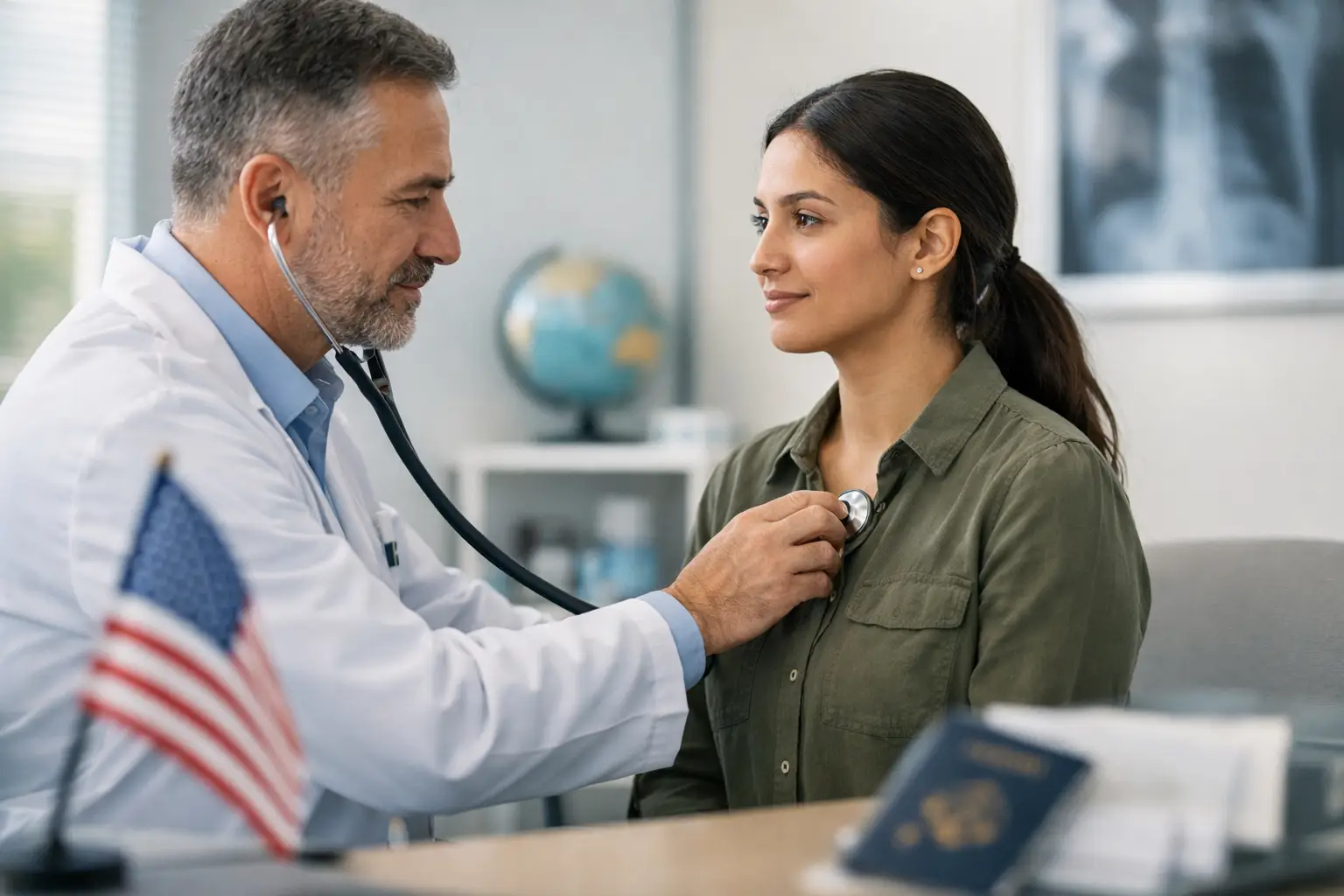
A missed form, an unopened vaccine record, or an exam completed by the wrong provider can delay an immigration application when time already feels limited. So, can a clinic do immigration physicals? Yes – but only when the exam is performed by a USCIS-designated civil surgeon who follows the required process and completes Form I-693 correctly.
An immigration medical exam is not the same as an annual physical, a work exam, or a visit to urgent care. It has specific federal requirements, documentation rules, and laboratory testing standards. Knowing what to look for before you book can help you avoid a repeat visit or an incomplete packet.
Can a Clinic Do Immigration Physicals if It Has a Civil Surgeon?
A medical clinic can provide immigration physicals when a designated civil surgeon performs the examination. USCIS authorizes civil surgeons to conduct medical exams for applicants seeking adjustment of status and certain other immigration benefits within the United States.
The designation belongs to the individual physician, not simply to the building or clinic name. That distinction matters. A clinic may offer many types of medical care, but the immigration exam must be completed and signed by the authorized civil surgeon. Before making an appointment, ask whether the civil surgeon will be available for your visit and whether the clinic performs the complete I-693 process.
At UCO Medical Clinic, patients can receive immigration physical exam services in a physician-led outpatient setting, with clear instructions about the documents and records needed for the visit. For many applicants, having medical evaluation and on-site lab collection in one location makes the process more manageable.
What Makes an Immigration Physical Different?
The purpose of the immigration medical exam is not to provide routine preventive care or diagnose every possible health condition. It is a required screening process designed to identify specific health-related grounds of inadmissibility under U.S. immigration law.
During the visit, the civil surgeon reviews your medical history, performs a physical examination, checks required vaccination documentation, and orders or reviews required testing. Depending on your age, health history, and current USCIS and Centers for Disease Control and Prevention instructions, this may include tuberculosis testing, syphilis testing, gonorrhea testing, or other follow-up evaluation.
The civil surgeon also considers whether any medical condition requires additional information or referral. A positive screening result does not automatically mean that an application will be denied. It may mean that further evaluation, treatment, or documentation is needed before the form can be finalized.
This is why a low-cost exam that does not include proper documentation, testing coordination, or a completed I-693 can become more expensive later. The practical goal is not simply to get an exam done quickly. It is to receive a correctly completed medical packet that meets the requirements in effect on the date of your appointment.
What to Bring to Your Appointment
Preparation can reduce delays. Bring a government-issued photo ID, such as a passport, driver license, or other acceptable identification. You should also bring your immigration paperwork if your attorney or USCIS instructions have provided it, including Form I-693 when appropriate.
Vaccination records are especially helpful. Bring original records when possible, along with certified translations if the records are in another language. A civil surgeon can review vaccines received outside the United States, but records must be clear enough to verify the vaccine type and dates. If the record is incomplete, you may need additional vaccines, blood tests to confirm immunity, or both.
You should also bring a list of current medications, relevant medical records, and information about prior treatment for tuberculosis, sexually transmitted infections, substance use disorders, or significant mental health conditions. These subjects can feel personal, but honest answers help the civil surgeon determine whether any follow-up is required. The exam is a medical and legal document, so guessing or leaving out important history can create problems later.
If you have had a previous chest X-ray, tuberculosis treatment, or a positive TB test, bring those records. They may help clarify whether additional testing or evaluation is necessary.
What Happens After the Exam?
The timeline depends on whether your vaccination record is complete and whether lab work or follow-up testing is needed. Some patients complete the process quickly. Others need a return visit because a result needs review, a vaccine must be updated, or an outside specialist must provide documentation.
Once all requirements are met, the civil surgeon completes Form I-693 and provides it according to current USCIS instructions. In many cases, applicants receive a sealed envelope for submission to USCIS. Do not open the sealed packet. USCIS may reject it if the envelope has been opened, altered, or damaged.
Keep a personal copy when one is provided, and store it with your immigration documents. It can be useful if you need to confirm the date of the exam or discuss your case with an attorney.
Choosing a Clinic Without Creating Delays
Convenience matters, but immigration physicals require more than a convenient appointment time. Choose a clinic that explains the process before you arrive, confirms the civil surgeon’s role, and gives you a clear list of what to bring.
It also helps to ask how laboratory testing is handled and whether the clinic can coordinate needed vaccines or follow-up care. An office that communicates in your preferred language can reduce misunderstandings about forms, medical history, and next steps. For patients who speak English, Spanish, or Russian, clear communication can make an already stressful requirement feel more straightforward.
Price is another reasonable question. Ask what the stated exam fee includes and whether lab tests, vaccines, chest X-rays, follow-up visits, or form completion may involve separate charges. The least expensive initial quote is not always the best value if it leaves out required parts of the process.
Frequently Asked Questions
Can any doctor sign Form I-693?
No. Form I-693 must be completed by a USCIS-designated civil surgeon. Your regular primary care physician may be able to help with medical records or vaccines, but cannot sign the immigration form unless they are a designated civil surgeon.
Do I need vaccines before the immigration exam?
Not necessarily. Bring every vaccination record you have first. The civil surgeon will review it against current requirements and explain whether you need additional vaccines, immunity testing, or an approved waiver consideration.
Will a health condition prevent me from completing the exam?
Many common conditions, including diabetes, high blood pressure, asthma, or a history of treated illness, do not prevent completion of the exam. Some findings require additional evaluation or documentation. The civil surgeon can explain what is needed based on your individual circumstances.
How long is the immigration medical exam valid?
USCIS rules on Form I-693 validity can change. Ask the civil surgeon or your immigration attorney how current timing rules apply to your filing plan, especially if you expect to submit your application later.
A Clear Next Step
If you are preparing an immigration application, schedule your exam early enough to leave room for lab results, vaccines, or any needed follow-up. Bring complete records, ask questions before the visit, and make sure the exam is being completed by a designated civil surgeon.
A well-prepared appointment can turn a complicated requirement into one clear step forward in your application process.


